
Aluminum Facades for Transportation
Transportation architecture operates at a scale where durability, clarity, and movement intersect. Airports, train stations, transit terminals, and multimodal hubs must accommodate high passenger volumes while maintaining structural reliability and visual consistency. Facade systems in these environments must support infrastructure performance while reinforcing clear architectural identity across large public spaces.
aPlank manufactures aluminum facade systems designed for transportation projects, helping architects, developers, and contractors create building envelopes suited to complex mobility environments. Aluminum facades provide scalable solutions for transit-oriented architecture, supporting both operational demands and long-term infrastructure value.
From urban transit centers to regional transportation terminals, aluminum facade systems allow project teams to achieve consistency across large developments while supporting efficient construction and future expansion.
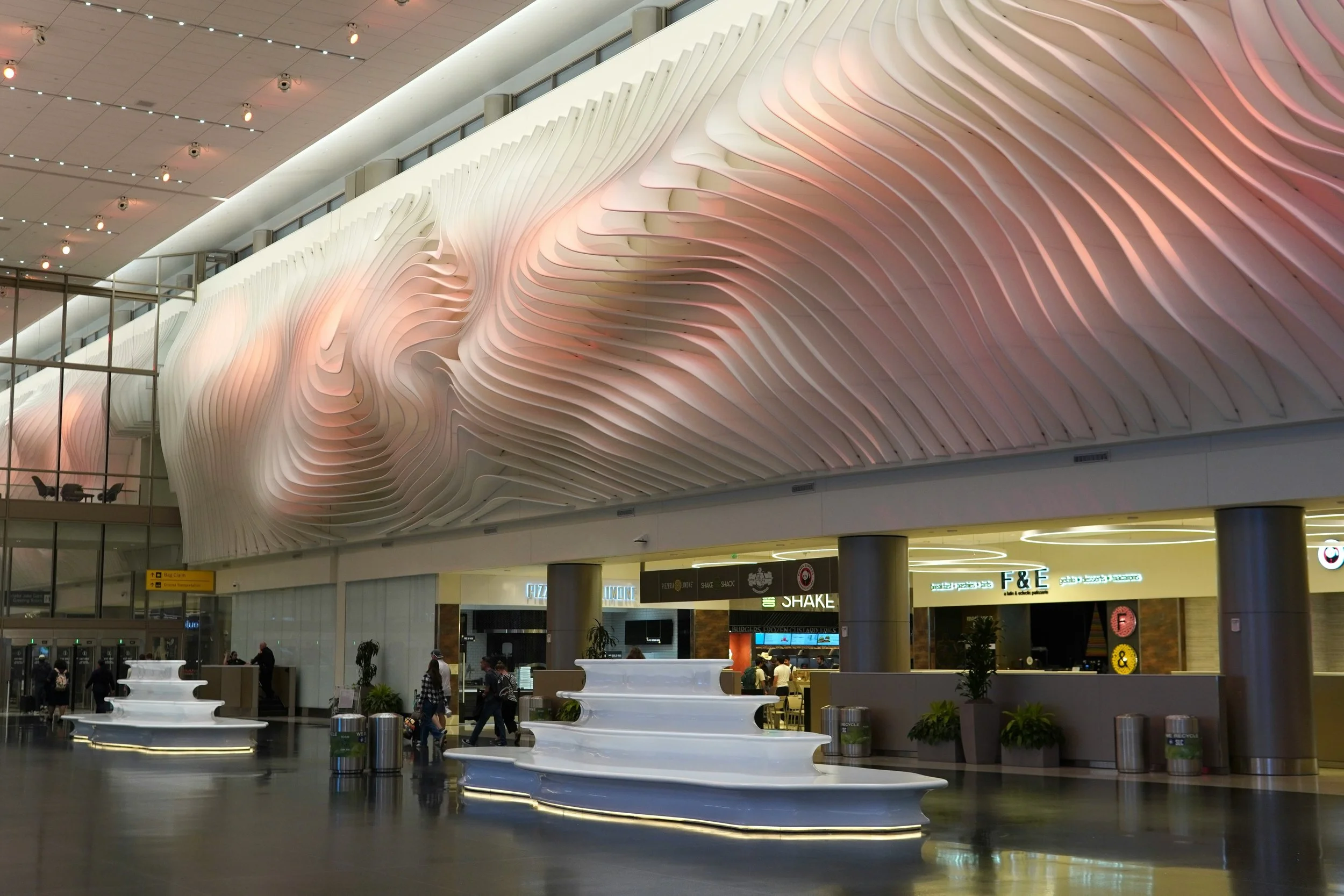
Planning a transportation or mobility infrastructure project and evaluating facade systems?
aPlank works with architects and developers to align aluminum facade strategies with scale, durability, and long-term performance for transportation environments.
Infrastructure Scale and Architectural Clarity
Transportation buildings must operate at significant scale, accommodating heavy use while remaining visually organized and navigable. The building envelope plays a critical role in shaping how passengers experience movement through terminals and transit facilities.
Aluminum facades support transportation architecture by providing consistent exterior systems that can span large elevations while maintaining a refined appearance. Their modular nature allows for visual clarity across extensive structures, helping maintain a cohesive architectural language in complex infrastructure environments.
For transit-oriented developments, facade systems must support structural stability and visual legibility while integrating with broader infrastructure strategies.
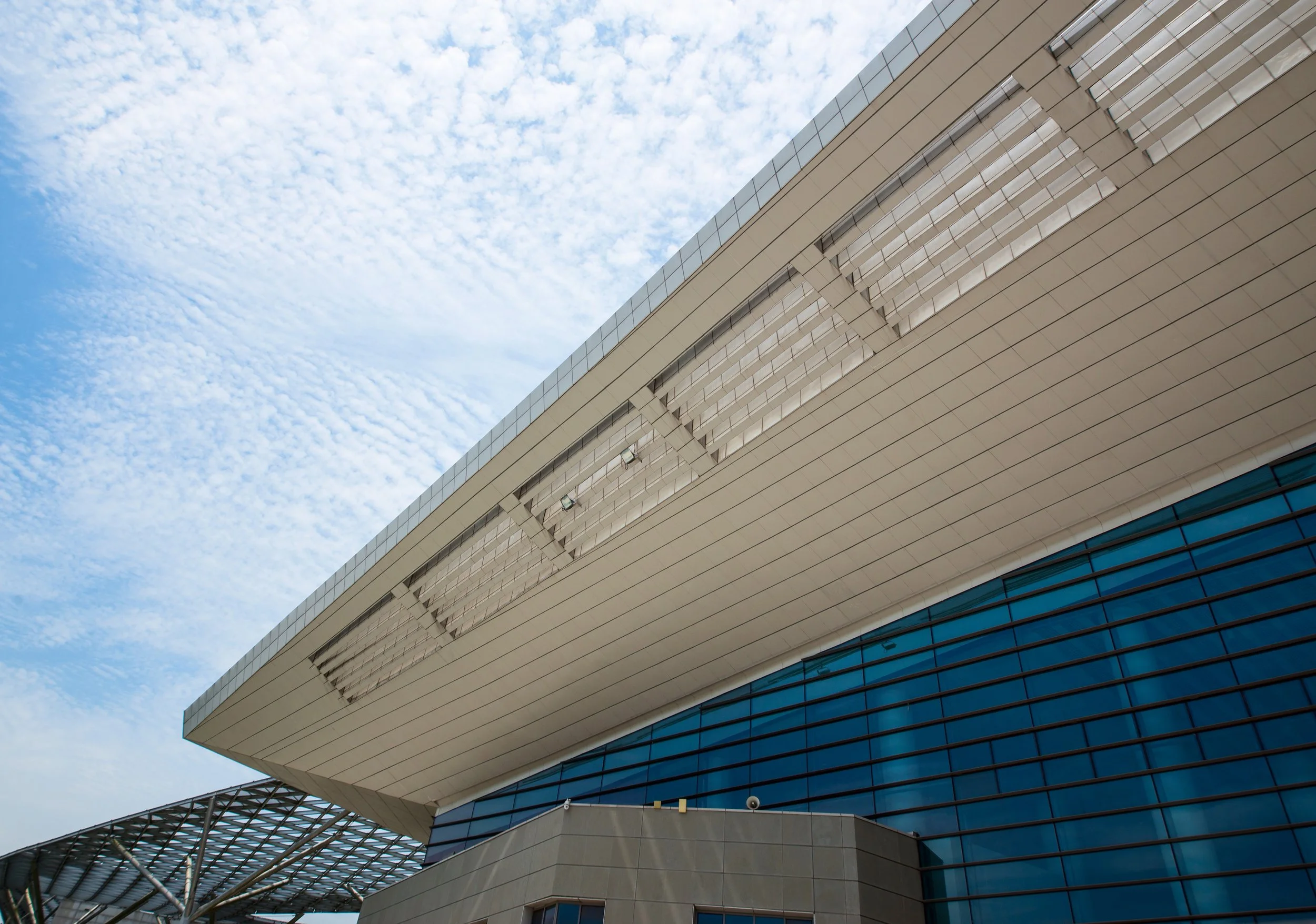
Facade Systems for High-Volume Public Facilities
Transportation hubs are subject to constant activity, requiring materials that maintain structural integrity and visual consistency under heavy use. Facade systems must withstand environmental exposure while supporting long-term operational reliability.
Aluminum facades provide durable solutions suited to high-volume public infrastructure. Their resistance to environmental conditions and predictable performance make them appropriate for buildings exposed to constant movement and use.
In transit environments where buildings operate continuously, facade systems must support long-term reliability without frequent disruption to operations.
Adaptability for Expanding Transportation Networks
Transportation infrastructure often evolves through expansions, renovations, and phased development. Facade systems must support these changes while maintaining consistency across existing and new structures.
Aluminum facade systems provide flexibility for phased construction and future upgrades, allowing transportation facilities to expand without compromising architectural cohesion. Their modular components support integration with existing building envelopes and infrastructure systems.
For developers and public agencies managing transportation assets, adaptable facade solutions help ensure continuity across long-term development strategies.
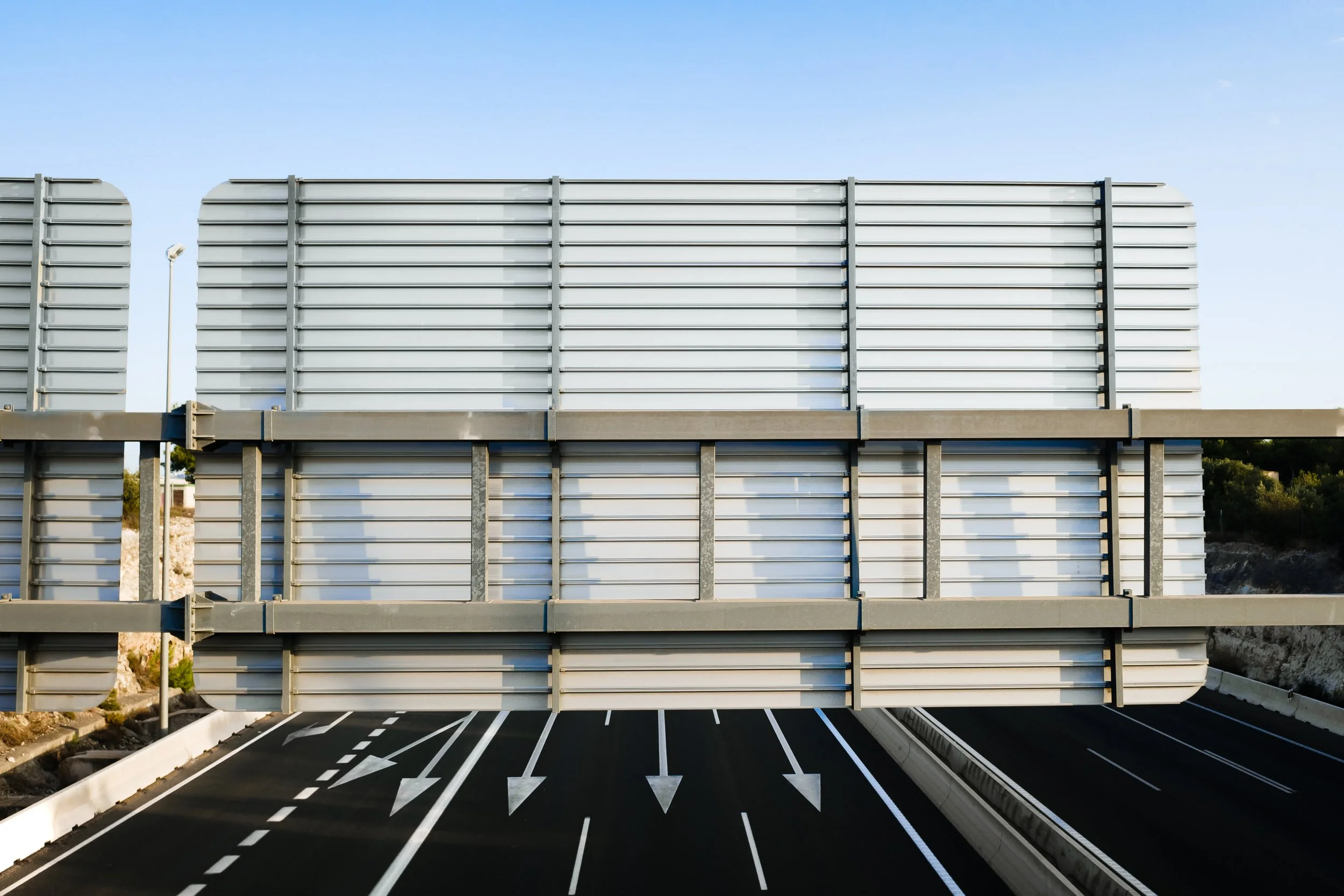
Construction Efficiency in Large Infrastructure Projects
Transportation projects involve complex coordination between architects, contractors, and engineering teams. Facade systems must integrate smoothly into large-scale construction workflows and support predictable installation timelines.
Aluminum facade systems support efficient construction through modular components and adaptable subframe systems. Their compatibility with contemporary building envelope strategies allows contractors to maintain clarity during installation across extensive infrastructure sites.
For large transportation developments, facade systems that support efficient construction help reduce disruptions and maintain project timelines.
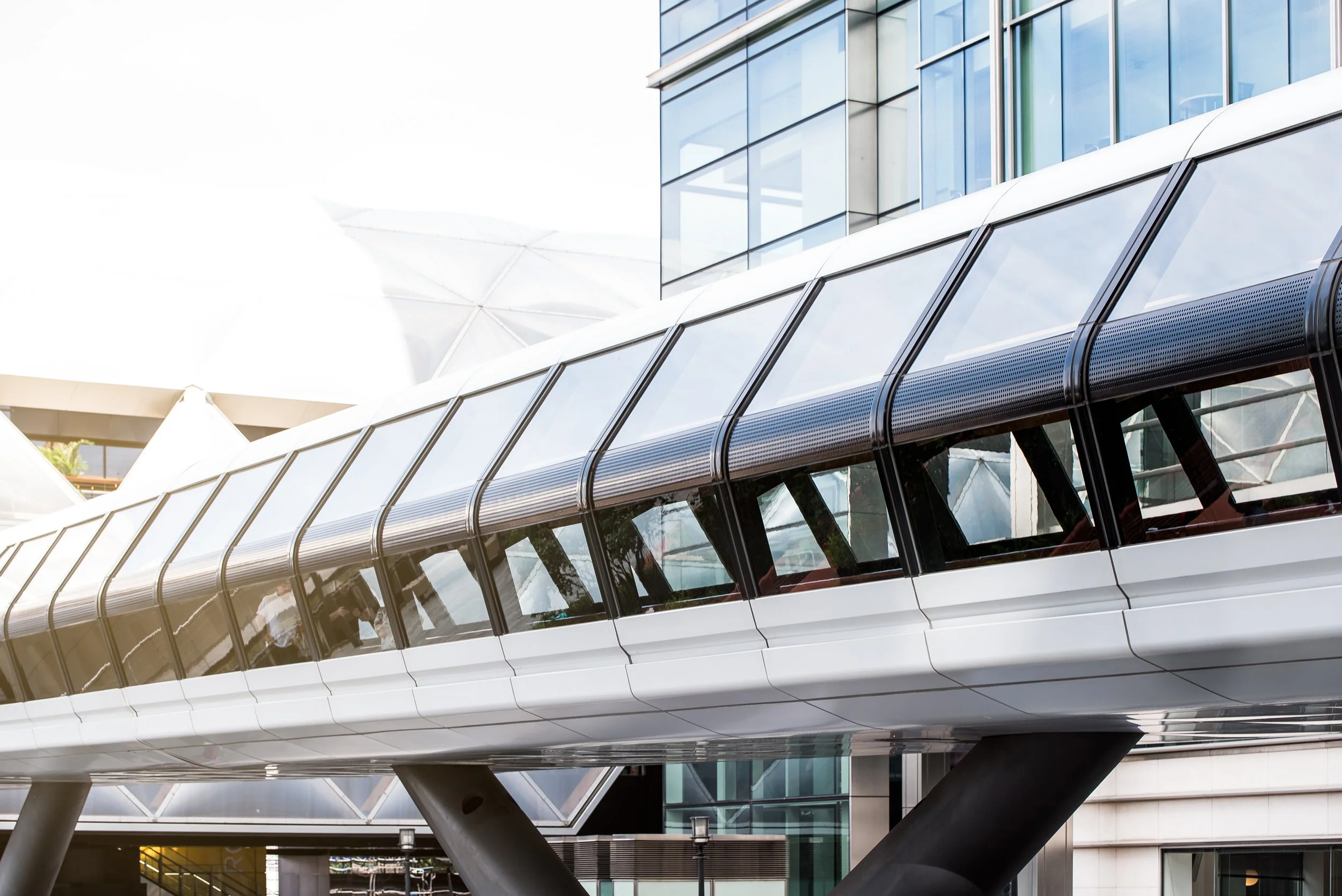
Performance Considerations for Mobility Environments
Transportation facilities must maintain structural stability and visual integrity across long operational lifecycles. Facade systems must support environmental exposure, large structural spans, and continuous public use.
Aluminum facades can be engineered to support demanding infrastructure requirements, contributing to building envelopes that remain consistent over time. Their durability and adaptability help transportation facilities maintain operational reliability and visual coherence.
For architects and developers working in transportation infrastructure, facade systems must balance performance with long-term maintainability and scalability.
Evaluating aluminum facade systems for a transportation project?
aPlank collaborates with project teams to align facade performance, customization, and construction requirements for infrastructure-scale developments.
Sustainable Approaches for Transportation Buildings
Sustainability plays an increasing role in transportation development, as agencies and developers seek materials that support long-term environmental responsibility. Facade systems must align with broader sustainability strategies while maintaining durability and performance.
Aluminum facades support sustainable infrastructure development through long service life and recyclability. Their durability reduces replacement frequency and supports responsible resource use across large-scale projects.
For transportation facilities designed for long-term operation, facade systems that support sustainability and durability provide long-term value.
Custom Aluminum Facade Solutions for Transportation Projects
Transportation architecture presents unique challenges related to scale, site conditions, and structural requirements. Custom aluminum facade systems allow project teams to tailor solutions to specific infrastructure needs.
aPlank supports transportation projects with aluminum cladding panels, thermally broken subframe systems, and aluminum battens designed for large-scale applications. Custom fabrication helps ensure consistent results across extensive developments while maintaining performance and constructability.
For transportation developers and contractors, custom aluminum facade systems provide reliable solutions aligned with infrastructure demands.
Frequently Asked Questions About Aluminum Facades for Transportation Facilities
-
Yes. Aluminum facade systems are widely used in infrastructure projects due to their durability and adaptability at scale.
-
Their modular nature allows aluminum systems to scale across extensive infrastructure projects.
-
Aluminum provides resistance to environmental exposure and supports long-term performance.
-
Custom systems allow alignment with structural requirements and design intent.
-
Facade systems can be engineered to align with applicable codes and performance expectations when properly specified.
Start a Conversation About Your Transportation Facade Project
Transportation facilities require facade systems that support scale, durability, and long-term infrastructure performance. aPlank collaborates with architects, developers, and contractors to deliver aluminum facade solutions tailored to transportation environments.