Advanced Materials and Coatings for Aluminum Facades
New Materials for Durable Facades
When it comes to building exteriors, technology has taken some big steps forward, especially with materials designed for durability and performance. Aluminum systems are now developed to keep up with modern architectural standards, combining light weight, strength, and impressive resistance to corrosion. It’s worth considering that these systems are not just about toughness, they also bring flexibility to both design and installation. In fact, aluminum cladding and aluminum panels have become favorites for projects ranging from high-rise city buildings to homes in areas where the weather keeps everyone on their toes.
Something you should keep in mind is how aluminum composite panels work. By combining thin layers of aluminum with a core made from other materials, they boost both impact resistance and thermal efficiency. This layered approach helps reduce thermal bridging, which can translate into better energy savings for the building envelope. Plus, their light weight makes transportation and installation much simpler, often leading to lower project costs and faster completion times.
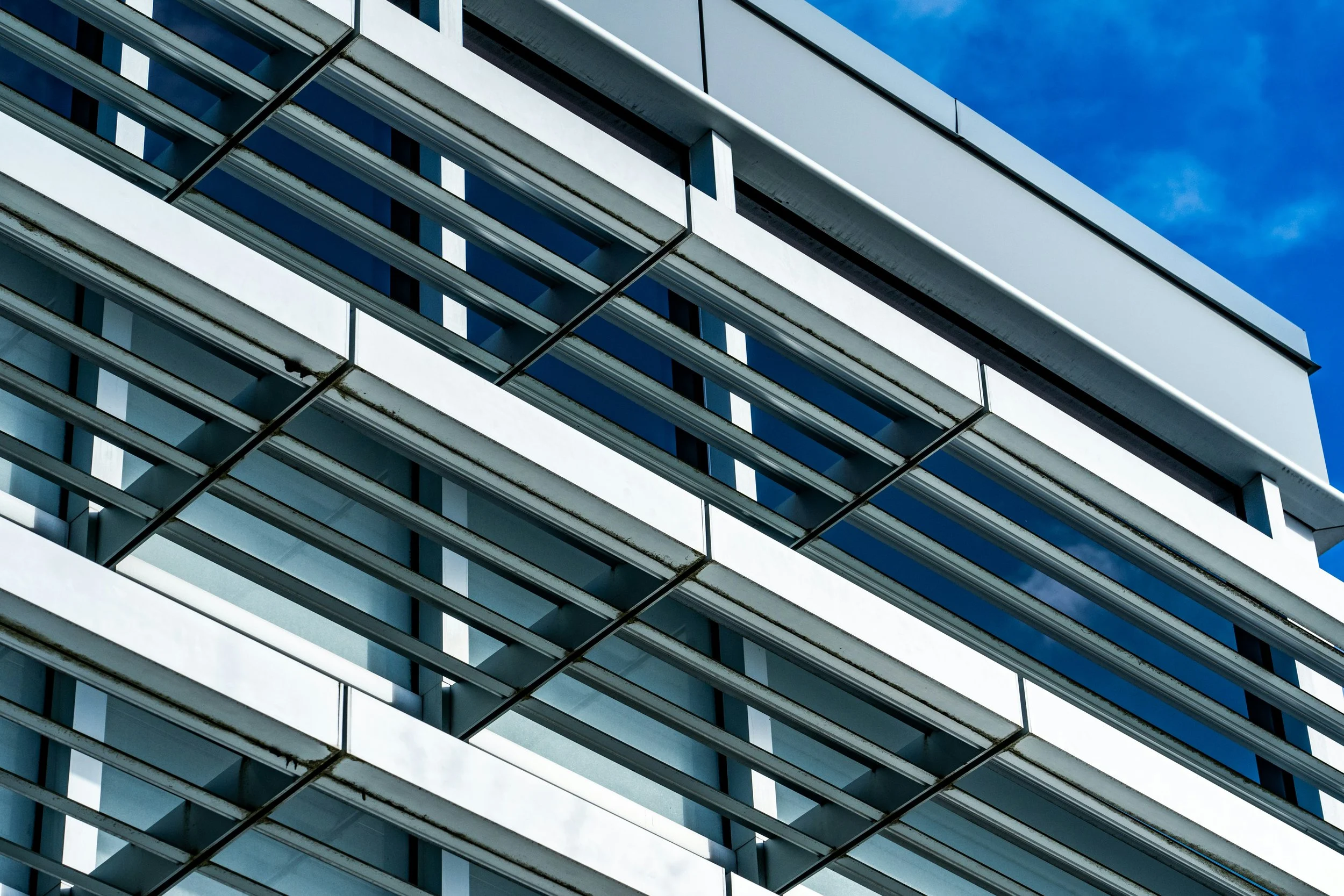
If you’re aiming for custom shapes or unique design features, Extruded Aluminum profiles really open up creative possibilities for both commercial and residential spaces. These profiles can be designed to include things like integrated lighting or shading, which isn’t just stylish but practical, too. Aluminum battens add another layer of versatility, letting designers create eye-catching patterns or shading solutions that help keep interiors cooler. Don’t worry about being limited by color or texture, modern aluminum siding and exterior cladding come in a wide variety of finishes, so it’s easy to give your project a distinct look while still meeting tough performance requirements.
Resistant and Aesthetic Coatings
The right coating does more than just make an aluminum facade look good, it plays a major role in protecting and extending the life of the material. Here’s a quick comparison of the most common coating options:
| Coating Type | Key Benefits | Best Use Cases |
|---|---|---|
| Powder Coating | Smooth, even finish; resists fading, chips, and wear; eco-friendly | General use, minimal maintenance, sustainability |
| PVDF Coating | Superior weather resistance, chemical stability, color retention | Coastal, industrial, high-sun environments |
| Nano-ceramic / Fluoropolymer | Extra resistance to scratches, graffiti, and biological growth | Urban, polluted, or high-traffic areas |
Powder coating is a popular choice because it delivers a smooth, even finish that stands up to fading, chips, and everyday wear. It’s applied using an electrostatic process and cured with heat, which creates a solid, protective surface over your aluminum panels and metal cladding. It’s important to know that powder coating is also environmentally friendly, since it doesn’t require solvents and produces minimal waste.
Another top option is PVDF (polyvinylidene fluoride) coatings, which excel when it comes to weather resistance, chemical stability, and keeping their color even after years in the sun. These coatings offer a wide range of finishes, making it easy for architects to hit their design goals while still protecting the building facade from things like UV radiation, moisture, and air pollution. If you’re working on a project near the coast or in an industrial area, PVDF coatings are especially helpful because they hold up well under harsh conditions. And whether you’re starting a new build or renovating an older property, both PVDF and powder coatings can be tailored to fit the specific visual and functional needs of the job.
On top of these tried-and-true coatings, there are now innovations like nano-ceramic coatings and fluoropolymer finishes. These bring extra resistance to scratches, graffiti, and even biological growth, which means your facade can stay looking fresh and clean longer, even in cities with heavy pollution or unpredictable weather.
A Subframe System Compatible with Multiple Cladding Materials
Designed to support a wide range of cladding materials while maintaining structural integrity and alignment.
Request Pricing →Environmental Impact of Coating Choices
For anyone planning a new build or renovation, sustainability is becoming a bigger part of the conversation. Many of today’s aluminum systems are designed with this in mind. Manufacturing processes like aluminum extrusion are optimized for using less material and making recycling easier. Since aluminum itself is fully recyclable, choosing products with recycled content can help reduce demand for new resources and lower the overall environmental impact.
When it comes to coatings, powder coatings are a smart pick if you’re thinking green:
They don’t contain volatile organic compounds (VOCs), so there’s less worry about harmful emissions during application and throughout the life of the product.
Powder-coated aluminum panels are a good option for projects where indoor air quality matters.
PVDF coatings are also engineered for longevity, which means you won’t need to recoat as often, a detail that helps cut down on waste. Their long lifespan supports sustainability goals by reducing the amount of material needed over time. High-performance coatings like these can also help your project qualify for green building certifications such as LEED, especially when you choose coatings designed to reflect solar radiation and help lower energy use.
It’s also good to know that manufacturers are stepping up with coatings and materials that meet strict environmental standards. Some products are even certified by independent organizations for their low impact, and many companies publish Environmental Product Declarations (EPDs) so you can see exactly how their materials perform. In a nutshell, choosing the right aluminum cladding, metal cladding, or related facade elements can make a real difference in your building’s environmental footprint and help support broader sustainability goals.
Maintenance and Longevity of Coatings
Maintaining the appearance and performance of an aluminum facade really comes down to your choice and application of coatings. If you go with powder coatings or PVDF finishes and apply them properly, you can expect a longer service life for your aluminum siding, panels, and aluminum battens. These coatings are designed to create a tough barrier against things like scratches, moisture, and even mold or algae that can threaten both how the building looks and how it holds up over time.
To keep these surfaces looking their best:
Clean regularly with mild, non-abrasive solutions (gentle soap and water is usually enough).
Follow manufacturer maintenance guidelines for your specific aluminum extrusion and exterior cladding products.
Inspect for early signs of wear, such as blistering or flaking, to catch issues before they become major repairs.
Many manufacturers also offer warranties on their coatings, so you have added support for the long run.
Innovations for Weather Protection
Let’s face it, the weather can be unpredictable, and that’s why new coating technologies are focused on offering even better protection for building facades. Advanced coatings are now formulated to stand up to:
Salt spray (important for coastal projects)
Acid rain
Big temperature swings
Some of the latest coatings even come with:
Self-cleaning features (using special technologies to help dirt and organic material wash away with the rain)
Anti-graffiti features (creating a barrier that makes it simple to clean off unwanted marks)
By incorporating these innovative coatings into today’s aluminum systems, architects and builders can choose solutions that work well in all kinds of climates. For example, in places with lots of sunshine, UV-resistant coatings are key, while in colder regions, flexibility in the coating helps it expand and contract without cracking.
The end result is a facade system that’s strong, good-looking, and built to last, something every project can benefit from. If you’re considering these advancements for your building facade, it’s a good idea to consult with professionals and check manufacturer guidelines. Industry groups like the American Architectural Manufacturers Association (AAMA) also offer helpful standards and advice so you can make decisions with confidence.
Frequently Asked Questions
-
Lightweight, strong, and corrosion-resistant
Flexible for design and installation
Wide range of finishes and colors
-
Powder coatings are eco-friendly and provide a durable, even finish.
PVDF coatings offer superior weather resistance and color retention, ideal for harsh environments.
-
Yes, especially when using recycled aluminum and low-VOC coatings. Many systems help projects qualify for green building certifications like LEED.
-
Regular cleaning with mild solutions, periodic inspections for wear, and following manufacturer guidelines help extend the life of the facade.
-
Absolutely. With the right coatings, aluminum facades resist salt spray, acid rain, UV exposure, and temperature fluctuations.