Parametric Design and Digital Fabrication in Aluminum Facades
What is Parametric Design?
Parametric design is a creative process that uses algorithmic thinking to set up specific parameters and rules, which together shape the relationship between what you want your design to accomplish and how it actually comes together. In architecture, this means designers can play with complex shapes, patterns, and facade elements simply by tweaking certain variables in a digital model. These variables, think dimensions, angles, the type of material, or even environmental factors, give you the flexibility to explore countless options and refine your designs as much as you need.
It’s worth considering that parametric design is often powered by advanced platforms like Grasshopper for Rhinoceros 3D or Autodesk Dynamo for Revit. These tools make it possible to script and automate design logic, helping architects and engineers see instantly how a change in one parameter impacts the whole system. For example, adjusting the tilt of aluminum panels based on sunlight exposure can boost energy efficiency and keep the building’s look consistent.
Unlike more traditional methods, parametric design uses computational tools to quickly generate a wide variety of design options. This flexibility lets you create intricate forms that would be tough, if not impossible, to draw by hand. Building Information Modeling (BIM) platforms are a big help here, too, they’re commonly used to manage these digital models and make sure everyone involved in the project is on the same page.
BIM does more than just handle geometry. It also brings together information about materials, how things are made, and the life cycle of the project. That’s especially important in bigger projects where lots of teams need to work together seamlessly. When BIM is combined with parametric design, everyone, from architects to manufacturers, can access the latest, most accurate information, which helps prevent mistakes and the need for rework.
Benefits for the Construction Industry
When you combine parametric design with digital fabrication, the benefits for the construction industry are hard to ignore. These techniques make it possible to create highly customized and precise aluminum facades that check all the boxes for both looks and function.
Efficiency: Parametric tools help automate repetitive tasks, cut down on manual errors, and allow for real-time updates to the design. In a nutshell, this means projects can move faster and cost less to complete.
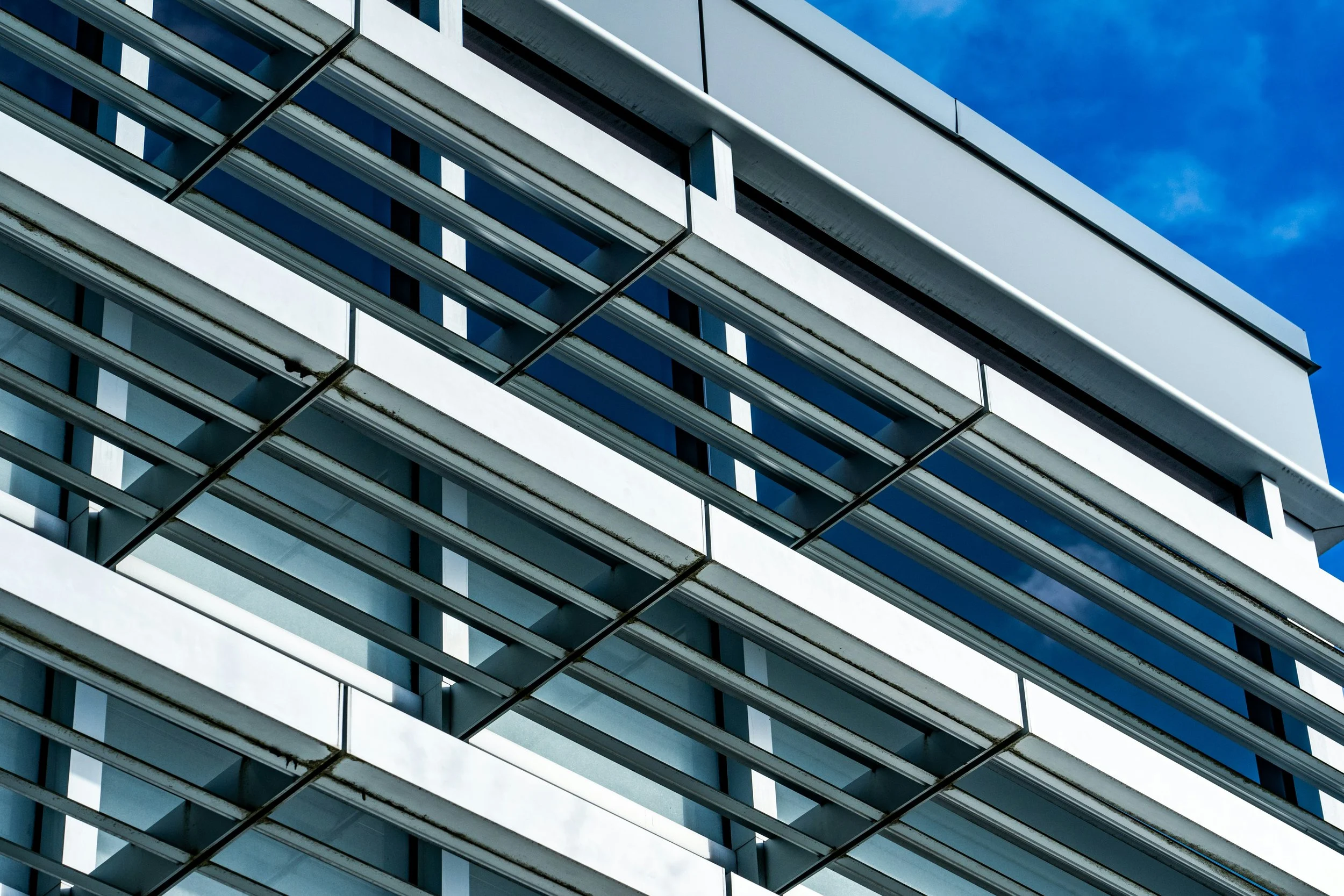
Rapid Prototyping: Imagine making a change to the spacing of aluminum battens or tweaking the perforation pattern on aluminum panels within your digital model. The entire system updates instantly, saving time on manual changes and making it much easier to prototype and test different ideas. Manufacturers can even use these digital models directly in production, ensuring the finished components match the architect’s vision exactly.
Improved Collaboration: Parametric models are easy to share and update among architects, engineers, fabricators, and installers. This leads to better coordination and helps prevent misunderstandings during construction.
Cloud-Based Access: Thanks to cloud-based platforms and digital project management tools, everyone can access up-to-date models and documents in real time. This is especially helpful for projects that use custom aluminum systems, where clear communication between design and fabrication teams is the key to success.
Sustainability: By optimizing material use and reducing waste, these methods make construction more environmentally responsible. The precise control over material quantities means aluminum systems are fabricated exactly as needed, which cuts down on excess and makes recycling easier.
Performance Simulation: Designers can test how different types of metal cladding affect things like insulation, daylight, and airflow. This data-driven approach helps select solutions that lower energy use and environmental impact, aligning with green building standards like LEED.
Digital Fabrication Techniques
Digital fabrication is all about turning digital designs into real-world components using advanced manufacturing technology. When it comes to aluminum facades, digital fabrication often includes:
Computer Numerical Control (CNC) Machining: Ideal for making Extruded Aluminum profiles, aluminum panels, and detailed facade elements. By following programmed instructions, CNC machines can cut, shape, and finish materials in line with the digital model. This means every piece in the production run is consistent, and unique facade geometries become entirely achievable.
Custom Aluminum Extrusion: CNC technology is especially useful for creating custom aluminum extrusion profiles. That’s crucial when you need non-standard shapes or connections in your facade system. The repeatability and accuracy of CNC machining also make it ideal for mass customization, where each panel or batten may have its own geometry but still needs to fit perfectly with the aluminum cladding system.
Laser Cutting: Offers speed and precision for shaping aluminum cladding and metal cladding components. It’s a great option for creating perforated patterns, custom textures, and detailed design elements. Laser cutting opens the door to facade panels with eye-catching patterns that serve both style and function. For example, perforated aluminum siding can provide shade, privacy, or sound control, while also giving the building a unique look.
3D Printing (Additive Manufacturing): Especially useful for prototyping facade components or producing short runs of custom parts. Designers are using this technology to make custom connectors, brackets, or even full facade modules. As materials and printing tech continue to improve, expect to see 3D printing take on a bigger role in producing specialized aluminum facade components.
These digital fabrication techniques are compatible with a wide variety of facade systems, like curtain wall systems, aluminum battens, and exterior cladding panels. The ability to quickly produce test pieces and full-scale parts helps cut down lead times and encourages ongoing design improvements.
This flexibility isn’t limited to new buildings. Digital fabrication is just as useful for renovations, allowing you to create replacement panels or update existing facades with new designs and better performance.
Advanced Exterior Cladding Materials in Aluminum
A durable and low-maintenance alternative to traditional exterior cladding materials.
Request a Quote →Impact on Customization and Precision
One of the standout benefits of parametric design and digital fabrication is just how much you can customize and how precise you can be with aluminum facade projects. Since every aspect of the design is controlled by parameters, architects can fine-tune patterns, textures, and forms to meet the exact needs of a project or client.
Signature Facades: This kind of customization lets you design facades that respond to things like local climate, building orientation, or city context. For example, you might see a building with aluminum panels featuring a gradient of perforations, perfect for letting in daylight while keeping glare to a minimum.
Custom Profiles: Custom aluminum extrusion profiles and panels can be created for design concepts that would be nearly impossible with off-the-shelf products. The digital-to-physical workflow ensures each piece fits perfectly within the overall building facade, reducing the need for adjustments on site and cutting down on installation errors.
Complex Geometries: This approach becomes even more valuable with complex geometries or large curtain wall systems, where even minor issues can cause big headaches during installation.
Precision and Compliance: Precision gets another boost from integrating BIM and fabrication data. This makes it easier to line up design intent with manufacturing output, lowering the risk of misalignment or mistakes during assembly. Plus, when you know exactly how much material you’ll need, it’s easier to optimize for sustainability and minimize waste.
Regulatory Assurance: Regulatory requirements, like those from the American Institute of Architects (AIA) or local building codes, often require strict performance and safety standards. The ability to document and verify each step of the design and fabrication process helps make sure your project stays compliant and gives stakeholders extra peace of mind.
Innovative Project Examples
There are plenty of impressive projects that show just how much parametric design and digital fabrication have changed the game for aluminum facades. For example:
Dynamic Patterns: Facades with dynamic, algorithmically generated patterns in aluminum siding that react to environmental factors like sunlight or wind. These are not only visually appealing but also help manage light and heat inside the building.
Commercial Office Buildings: Using a parametric pattern on aluminum panels, the density and orientation of the panels shift based on solar analysis, providing just the right amount of shade throughout the day. This setup doesn’t just look good, it keeps occupants comfortable and reduces energy costs for cooling.
Custom Cladding Systems: In commercial projects, each panel or extrusion is designed to give the building its own unique identity. Here, advanced CNC machining and laser cutting are essential for turning the digital design into reality with a high level of detail and accuracy.
Cultural Centers and Museums: Facades made up of thousands of uniquely shaped aluminum panels, all precisely fabricated to create a seamless, flowing surface. Digital fabrication makes it possible to produce these complex shapes efficiently and install them with minimal hassle.
Residential Applications: Aluminum panels and battens are often used to create ventilated exterior cladding systems that improve both appearance and energy efficiency. These systems benefit from parametric modeling, which ensures every panel integrates smoothly with the building and makes installation a breeze.
Ventilated facades help regulate indoor temperatures by letting air circulate behind the exterior cladding, which reduces heat transfer and boosts thermal performance. Thanks to parametric design, panel sizes and configurations can be optimized for the best results, all while keeping the architectural style on point.
Collaborations between architects, fabricators, and manufacturers, often guided by organizations like the American Institute of Architects (AIA), have really pushed the boundaries of what’s possible with aluminum facade technology. By using digital tools and advanced fabrication methods, these teams are coming up with customized, high-precision solutions that tackle both creative and practical challenges in today’s construction world.
Many of these partnerships lead to award-winning projects that set new standards for design innovation, sustainability, and building efficiency. In fact, combining parametric design with digital fabrication is quickly becoming a best practice for delivering high-performance building envelopes that keep up with the evolving needs of the construction industry.
Bringing advanced approaches like parametric design and digital fabrication into aluminum facade projects truly opens up new opportunities for innovation, performance, and sustainability in the built environment.
Frequently Asked Questions
-
Parametric design in architecture is a process that uses algorithms and digital tools to set parameters for design elements, allowing architects to explore and refine complex geometries and patterns efficiently.
-
Digital fabrication enables precise and customized production of aluminum facade components, improving efficiency, reducing waste, and allowing for innovative designs that are difficult to achieve with traditional methods.
-
Common techniques include CNC machining, laser cutting, and 3D printing, each offering unique advantages for creating custom aluminum panels, battens, and other facade elements.
-
Yes, parametric design helps optimize material use, reduce waste, and improve building performance, supporting sustainability goals and compliance with green building standards like LEED.
-
Absolutely. Digital fabrication and parametric design are valuable for both new construction and renovation projects, enabling the creation of replacement panels or upgrades to existing facades with improved performance and aesthetics.