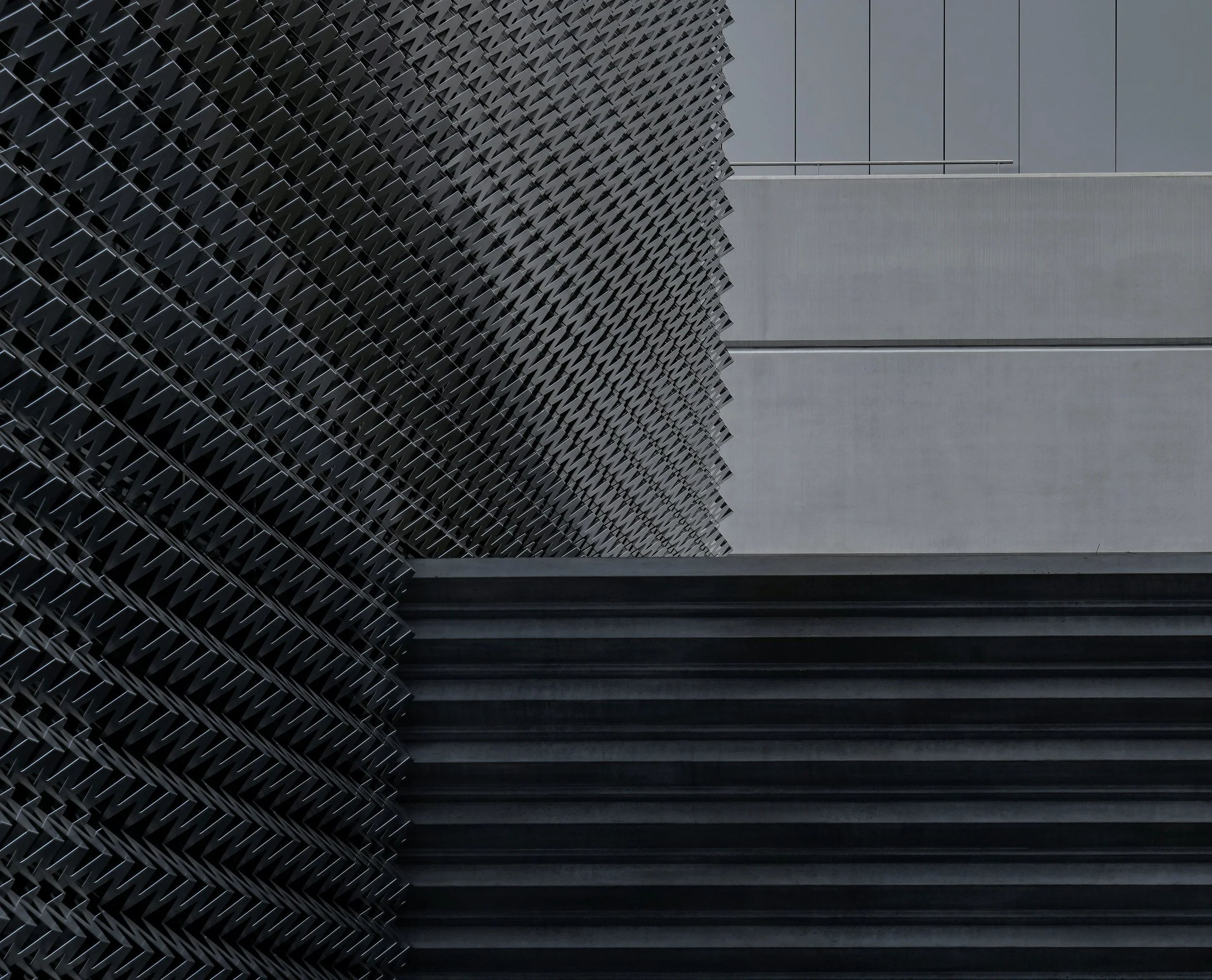
Aluminum extrusion vs. Other Facade Materials: A Comparison
Performance-to-Weight Advantage
When it comes to choosing facade materials, it’s worth considering how aluminum extrusion stands out for its impressive performance-to-weight advantage. Thanks to its high strength-to-weight ratio, you get facade elements that are lightweight but still very sturdy. This is a big deal, especially for high-rise or large-scale buildings where every extra pound can affect the structure and increase installation challenges. Unlike steel, which is much heavier for the same strength, aluminum systems can deliver equal or even better results with less weight. This lighter approach can help save money on structural support and make transportation a lot easier.
Take curtain wall applications, for example. Aluminum extrusion lets architects create large glass areas with slim, elegant frames that don’t compromise on safety or durability. That’s important in today’s architecture, where open views and natural light are often a top priority. And if you’re building in a seismic zone, keep in mind that a lighter facade means less strain on the foundation and better performance during an earthquake.
On the other hand, traditional materials like brick, stone, or some composites usually need much heavier substructures and more labor to install. The flexibility of Extruded Aluminum also allows for precision engineering, something that’s essential when you want both great looks and strong performance in your facade. Plus, these lightweight facades are much easier to add onto existing buildings, which is helpful for renovation projects.
Durability & Corrosion Resistance
Something you should keep in mind is that durability is key when picking facade materials. Aluminum extrusion has a natural resistance to corrosion because it forms a protective oxide layer on its surface. Compared to steel, which often needs extra coatings to prevent rust, aluminum requires much less upkeep over the years. If you’re working in a coastal or industrial setting where there’s a lot of moisture or chemicals in the air, aluminum cladding really shines.
In marine and coastal construction, aluminum is often the go-to choice because it stands up well to salty air and humidity without breaking down. Steel, on the other hand, can start to corrode if its protective coating gets damaged, which can lead to more repairs and added costs. Another plus is that aluminum resists UV rays, so it keeps its strength and appearance even in places with lots of sunshine.
Materials like wood and fiber cement, while popular, are more vulnerable to moisture, pests, and sunlight. Aluminum panels don’t have issues with termites or rot and can stay in good shape for decades. Thanks to new coating technologies, aluminum products are now even better at resisting corrosion, so you can count on them looking good and performing well no matter the climate.
Fire Safety & Code Confidence
If you’re planning a building project, you already know that building codes and fire safety regulations are a must. Aluminum extrusion is a strong performer in fire situations, helping you meet safety codes and protect occupants. Unlike some composite materials that might have flammable cores, aluminum doesn’t burn and has a high melting point.
The International Building Code (IBC) and local fire safety standards often require that facade materials meet strict rules for non-combustibility and flame spread. Because of its natural properties, aluminum is a smart choice for projects where fire risk needs to be kept to a minimum, like schools, hospitals, or high-rises. In comparison, vinyl and some other composites may need extra fire-retardant treatments just to pass inspection.
Reliable compliance pathways for exterior envelopes
It’s important to know that getting fire code approval can be much simpler with aluminum systems. Many extruded aluminum products are already tested and certified to meet or exceed national and local fire safety standards. This can make the approval process a lot smoother for architects and contractors, saving time and reducing the risk of project delays.
Manufacturers often provide clear documentation and third-party test results, like ASTM E84 or NFPA 285 compliance, so you know exactly how their aluminum facade products will perform. This kind of transparency helps speed up project approvals and ensures your building envelope is up to code.
Rapid customization with modular systems
Another thing to keep in mind is how aluminum extrusion supports rapid customization, especially when using modular facade systems. These modular solutions let you adapt to unique project needs while still staying on the right side of fire and safety codes. Aluminum’s adaptability makes it possible to create custom exterior envelopes, whether your design is straightforward or more complex.
For example, modular aluminum panels can be built off-site with insulation, fire stops, and weather barriers already in place. This means quicker installation and more consistent quality, which is a big plus on busy job sites. Plus, modular systems are easier to update or reconfigure in the future, which isn’t always possible with materials like masonry or precast concrete.
Modern Exterior Cladding Material in Aluminum Battens
A contemporary cladding solution combining clean lines, durability, and sustainable aluminum construction.
Start Your Project →Finish Options That Last
One of the standout benefits of aluminum extrusion is the variety and durability of available finishes. High-performance coatings and surface treatments not only protect aluminum facades from the elements but also boost their visual appeal.
AAMA-class powder coat and anodize
If you’re looking for finishes that last, you might want to know about the American Architectural Manufacturers Association (AAMA) standards. Powder coating and anodizing that meet AAMA guidelines are commonly used for aluminum panels. These coatings offer long-lasting color, resist chipping and fading, and keep their gloss even after years of exposure. AAMA-certified finishes go through tough weather testing, so you can trust they’ll hold up for a long time on aluminum siding and cladding.
AAMA 2605 is well-known for setting a high bar for exterior coatings, requiring strict testing for color retention, resistance to salt spray, and chalking. Anodized finishes, created through an electrochemical process, give aluminum even more hardness and make it tough against scratches. These finishes are often the top pick for commercial projects where you want something that looks good and doesn’t need much maintenance.
Wood-grain and specialty functional coatings
Aluminum extrusion also lets you choose specialty coatings that give the look of wood grain or add useful features like anti-graffiti or self-cleaning properties. This means you can get the beauty of natural materials without the usual maintenance headaches.
Wood-grain powder coatings on aluminum cladding create a warm, natural vibe that’s perfect for homes or hotels, without worrying about warping or termites.
Anti-graffiti coatings are handy in city environments, where easy cleaning and protection against vandalism matter.
Some manufacturers offer coatings that help break down pollutants, keeping facades cleaner for longer.
Sustainability & End-of-Life Value
Nowadays, sustainability is a big factor in material selection. Aluminum extrusion stands out because it’s highly recyclable, and a large portion of new aluminum products include recycled content. Recycling aluminum takes much less energy than producing it from scratch, which helps reduce the overall environmental impact.
According to the Aluminum Association, about 75% of all aluminum ever produced is still in use, a clear sign of its recyclability and long-term value. Using recycled, or “secondary,” aluminum can cut energy use by up to 95% compared to new production. That’s a major plus for builders aiming for green certifications like LEED or WELL.
Lifecycle assessments (LCA) show that aluminum systems offer excellent end-of-life value. Unlike some materials, aluminum cladding and panels can be separated and recycled without losing quality, which supports a circular economy in construction.
Also, aluminum’s durability means it needs to be replaced less often, which saves resources and cuts down on waste. For projects where sustainability is a top goal, aluminum is absolutely worth considering.
Cost Considerations
When you’re crunching the numbers, don’t just look at the upfront cost. Aluminum extrusion might cost a bit more to install at first, but its performance, durability, and low maintenance often mean lower total expenses over the life of your building.
Compared to wood or fiber cement, for example, the initial price for aluminum panels might seem higher. But you’ll likely save on repairs, repainting, and replacements. Aluminum’s lighter weight can also lower structural costs and speed up the installation process, leading to even more savings.
Lifecycle ROI (energy, maintenance, replacement)
One more thing to keep in mind is that aluminum panels usually don’t need to be replaced as often as wood or fiber cement. Their resistance to corrosion and tough finishes mean less repainting and fewer repairs, so you spend less on maintenance. Plus, when aluminum systems are engineered for energy efficiency, like with insulation or rainscreen assemblies, they can help reduce heating and cooling costs over time.
For example, rainscreen systems with aluminum cladding allow for continuous insulation and reduce thermal bridging, making your building more energy efficient. And when aluminum panels reach the end of their service life, they can be removed and recycled, adding to your long-term return on investment.
When you consider the total lifecycle ROI, aluminum siding and cladding often outperform materials that need frequent replacement or lots of upkeep. This kind of long-term value is something developers and owners focused on cost control will appreciate.
Where Aluminum Beats Alternatives
Aluminum extrusion really stands out in several important ways:
Lightweight strength
Design flexibility
Lasting durability
Quick customization for creative designs
Strong fire safety and reliable code compliance
Aluminum is also easy to shape into custom profiles, sizes, and forms that would be tough or impossible with other materials. This flexibility helps bring complex architectural ideas to life. And because aluminum works well with different types of glass and insulation, it’s simple to include in high-performance facade systems.
On top of that, aluminum offers a wide variety of finishes, like powder coating, anodizing, and specialty options, so you can mimic other materials or create a look that’s all your own. Its recyclability and strong end-of-life value make it a smart, forward-thinking choice for anyone aiming to meet sustainability goals.
In a nutshell, if you’re weighing your options for facade materials, the strengths of Extruded Aluminum, aluminum cladding, and aluminum panels offer compelling reasons for architects, builders, and property owners to choose them for modern, attractive, and cost-effective buildings. If you want to learn more about system options, check out resources on aluminum systems.