Integration of Aluminum Facades with Solar and Green Technologies
Types of Solar Technologies for Facades
If you’re looking to boost your building’s efficiency and sustainability, it’s worth considering how aluminum facades can work hand-in-hand with solar technologies. One standout solution is building-integrated photovoltaics, or BIPV. In a nutshell, these systems involve photovoltaic panels that are actually built right into the exterior cladding, aluminum panels, or even glass curtain walls, so the whole building envelope turns into a source of clean energy. The nice thing about BIPVs is that they’re customizable, you can adjust the size, color, and opacity to fit your architectural vision. This flexibility means architects don’t have to choose between looks and performance, making BIPV a smart option for both brand-new construction and updating older buildings.
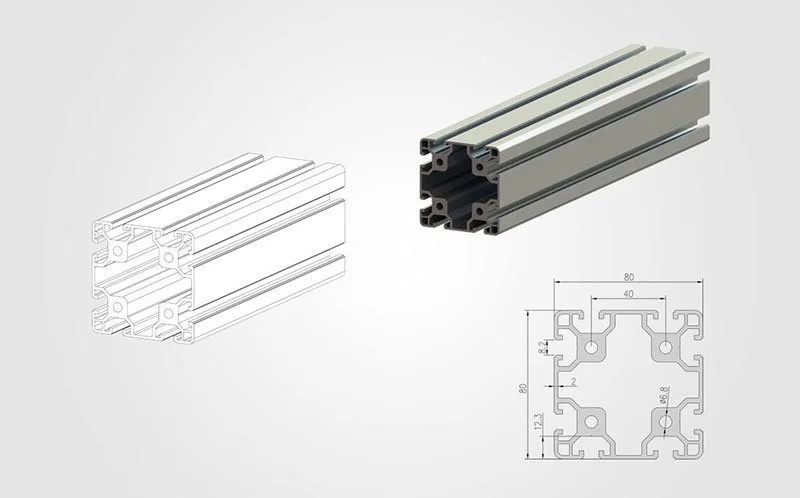
But that’s not the only way aluminum and solar come together. Traditional photovoltaic panels can also be mounted onto aluminum systems, including aluminum siding and aluminum cladding. Thanks to aluminum’s lightweight but sturdy nature, it’s a top choice for supporting solar modules, especially when you’re dealing with high-rise buildings or large commercial spaces.
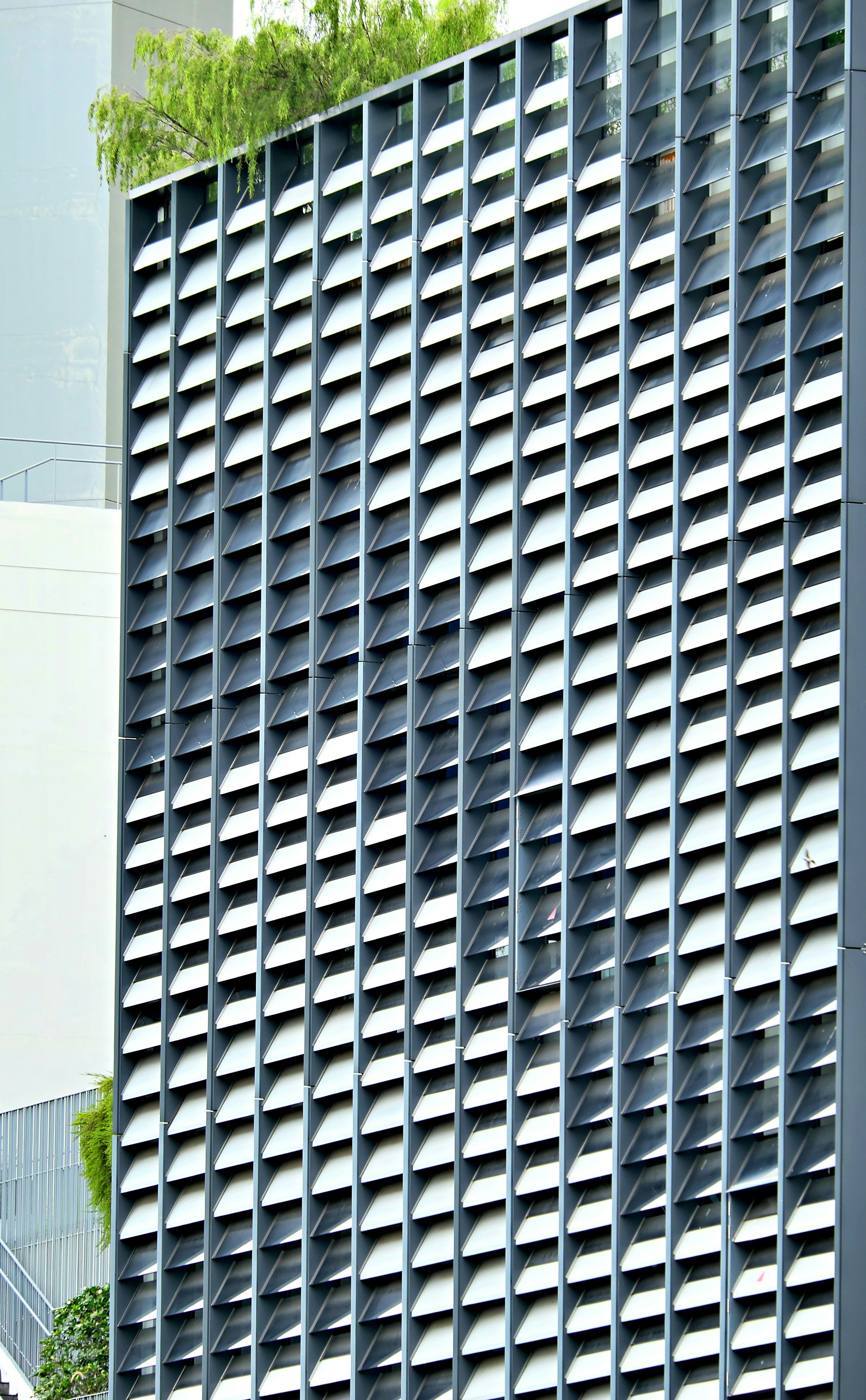
Another approach involves solar shading systems, which use adjustable or fixed louvered aluminum battens. These not only help manage how much sunlight enters your space, but they can also support thin-film solar cells. The result? You get extra energy production while also improving thermal performance by cutting down on glare and reducing cooling needs. And if you live somewhere with big swings in weather, dynamic shading can be programmed to keep things comfortable all year long.
New technology is opening even more doors:
Transparent or semi-transparent photovoltaic glass can take the place of regular glass in building facades, letting in natural light while also generating power. This works especially well for atriums, skylights, or glass curtain walls in office buildings.
If your building has curved or unusual surfaces, flexible solar films can be applied directly onto metal cladding or aluminum extrusion profiles. This is especially helpful for older or architecturally unique structures where traditional solar panels might not work so well.
| Technology Type | How It Works | Best Applications | Key Benefits | Limitations / Considerations |
|---|---|---|---|---|
| Building-Integrated Photovoltaics (BIPV) | PV modules integrated directly into aluminum panels, cladding, or glass curtain walls | New construction, facade upgrades, buildings needing aesthetic customization | Seamless design, replaces traditional facade materials, customizable colors & opacity, generates on-site energy | Higher initial cost; requires careful engineering and coordination |
| Traditional Photovoltaic Panels on Aluminum Structures | Solar modules mounted onto aluminum cladding, siding, or structural frames | High-rise buildings, commercial roofs, large facade areas | Lightweight and strong support structure, proven technology, high energy production | Visual impact may be less integrated; requires mounting hardware |
| Solar Shading Systems (Aluminum Louvers with Solar Cells) | Fixed or adjustable aluminum battens integrate thin-film solar cells | Buildings in hot climates, offices with large glazing areas, spaces needing glare control | Generates energy + reduces cooling load, improves thermal comfort, dynamic options available | Lower output compared to full PV panels; requires motorized controls for dynamic systems |
| Transparent / Semi-Transparent PV Glass | Solar cells embedded within glass panels | Skylights, atriums, curtain walls, modern office buildings | Allows natural light + energy generation, improves building’s energy balance | Lower efficiency vs. opaque PV systems; higher cost |
| Flexible Solar Films | Thin, bendable PV films applied to curved or irregular aluminum cladding and extrusion profiles | Retrofits, curved facades, older buildings, lightweight structures | Works on complex shapes, low added weight, easy to install | Lower efficiency; lifespan may be shorter than rigid PV panel |
Environmental and Economic Benefits
Something you should keep in mind is that integrating solar and green technologies with aluminum facades brings real environmental benefits. Aluminum itself is recyclable and often made with a high percentage of recycled content, which helps lower the carbon footprint of new construction. In fact, industry data shows that aluminum can be recycled again and again without losing its quality, making it a truly sustainable choice for the long haul. When you use aluminum panels and exterior cladding as part of energy-generating facades, you’re supporting renewable energy generation. This helps cut down greenhouse gas emissions and reduces dependence on fossil fuels, key steps for meeting local and national emissions goals.
On the financial side, buildings with solar-integrated facades can see significant savings on energy costs over time. Generating energy onsite means lower utility bills, and in many cases, you can even participate in net metering programs that let you sell extra energy back to the grid. Just keep in mind, these programs usually follow local utility rules, but they can really boost your return on investment.
Plus, aluminum siding and aluminum systems don’t need much upkeep and are built to last, so you’ll likely spend less on maintenance compared to other facade materials. Aluminum stands up well to corrosion and the elements, so you won’t be dealing with frequent repairs or replacements.
There are also financial incentives to help with the upfront costs:
Tax credits, rebates, and green building grants are available for projects that use renewable energy and sustainable materials.
The federal Investment Tax Credit (ITC) and various state programs can take a big bite out of the initial investment for solar installations.
These incentives make it easier for developers and property owners to invest in advanced aluminum cladding and solar technologies. And don’t forget, energy-efficient buildings often have higher market values and can attract tenants or buyers who care about sustainability.
| Category | Benefit When Combined with Aluminum Facades |
|---|---|
| Carbon Footprint | Aluminum is highly recyclable; solar systems reduce operational emissions |
| Energy Savings | On-site renewable generation cuts utility bills significantly |
| Net Metering | Ability to sell excess power back to the grid (depending on region) |
| Maintenance | Aluminum is corrosion-resistant and low maintenance, reducing long-term costs |
| Financial Incentives | Eligible for ITC, local tax credits, rebates, and green building grants |
| Property Value | Solar-integrated facades improve market value and tenant appeal |
Green Building Certifications and Aluminum Facades
If you’re aiming for green building certifications, integrating aluminum facades with solar and green technologies can make a real difference. Programs like LEED (Leadership in Energy and Environmental Design) and Energy Star put a strong focus on energy efficiency, renewable energy, and using responsible materials. LEED, managed by the U.S. Green Building Council, is well recognized in public and private projects and can sometimes tip the scales when it comes to funding or leasing decisions.
For example, LEED certification awards points for:
Using recycled materials
Generating renewable energy onsite
Improving the building envelope’s performance
When you combine aluminum extrusion and aluminum battens with photovoltaic systems, you’re checking several of these boxes. Under LEED, you can earn credits in categories like Energy & Atmosphere and Materials & Resources, where aluminum’s recycled content and solar energy production both count in your favor.
Energy Star certification, on the other hand, looks at the overall efficiency of the building, including how well the facade performs and how much solar energy it generates. Reaching Energy Star status can also give you an edge in marketing and may make you eligible for utility rebates.
And it’s not just national programs, local and regional green building standards are also recognizing the value of combining solar with aluminum cladding and metal cladding systems. In some cities, there are even stricter codes or extra incentives for green construction, which encourages more use of advanced facade systems. Earning these certifications can increase your property’s value, improve comfort for occupants, and show that you’re committed to sustainability. In fact, certified buildings are often preferred for government contracts and sometimes benefit from faster permitting.
| Certification / Standard | How Aluminum + Solar Technologies Contribute |
|---|---|
| LEED | Points for recycled materials, on-site renewable energy, high-performance envelope |
| Energy Star | Improved overall efficiency and energy generation |
| Local Green Standards | Meets or exceeds stricter city or regional sustainability codes |
| Building Codes (IECC, IBC) | Supports envelope performance, thermal efficiency, and renewable energy strategies |
Innovations in Energy-Generating Facades
There’s a lot of exciting innovation happening in the world of energy-generating facades. For example, dynamic solar shading technologies, like motorized aluminum systems with built-in solar cells, can automatically adjust to make the most of daylight and energy generation as conditions change throughout the day. This technology not only keeps things comfortable inside but also helps you save on cooling costs while maximizing renewable energy production. These systems can be linked with building management controls for the best possible performance and convenience.
Other recent developments include:
Color-matched or patterned photovoltaic panels that can be integrated right into aluminum panels or exterior cladding, so you don’t have to give up on design or aesthetics to meet your sustainability goals.
Lightweight and flexible solar films that make it possible to add energy-generating facades to curved buildings or as retrofits on existing structures. If your project has strict weight requirements or unique design needs, these films can be a great solution.
It’s important to know that a lot of this progress comes from collaboration between material scientists, facade engineers, and architects. Universities, industry organizations, and manufacturers are constantly developing new materials and installation methods to make these systems more efficient and longer-lasting. Innovations like transparent solar cells and multifunctional facades are proving that you don’t have to sacrifice style for sustainability. Some of these facades even offer extra features, like built-in insulation, rainwater management, or air purification, taking building performance to the next level.
Aluminum Facade Panels for Contemporary Exteriors
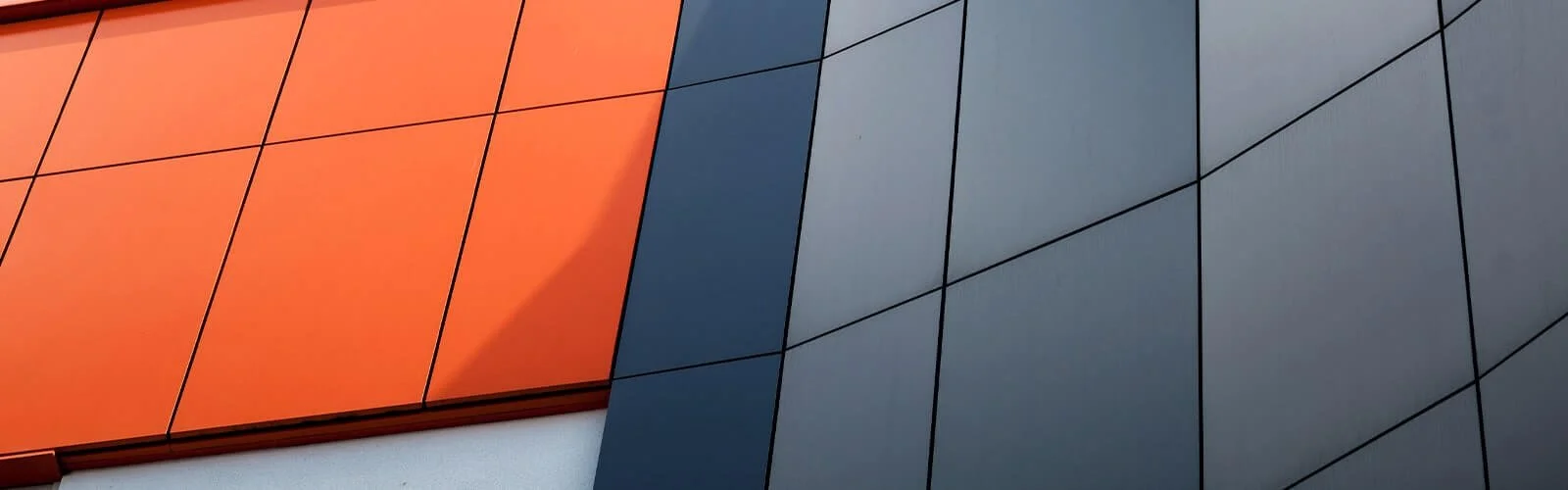
A modern cladding solution offering corrosion resistance, design versatility, and low maintenance.
Request a Quote →Notable Projects Featuring Solar Facades
There are already several notable projects that show how successful the integration of solar and green technologies with aluminum facades can be. These real-world examples highlight both the practical benefits and the design flexibility you get when combining aluminum systems with energy-generating features. You’ll find these innovations in corporate headquarters, university buildings, and public infrastructure projects that have earned national recognition for their commitment to sustainability.
Some key examples:
Office towers using building-integrated photovoltaics, where the entire curtain wall system acts as both a weather barrier and a generator of solar power. These projects often see big drops in energy use and serve as models for what’s possible with innovative facades.
In residential and mixed-use developments, aluminum siding and metal cladding with solar panels offer durability and help achieve net-zero energy goals. Some projects have even reported energy savings of up to 40%, which is a big help in meeting strict energy codes and sustainability targets.
Public buildings like schools and community centers are also getting in on the action, using aluminum battens with integrated solar shading to make spaces more comfortable and reduce running costs. Many of these facilities use real-time energy monitoring to track their performance and help educate people about the benefits of renewable energy.
If you look closely at these projects, you’ll notice a few common threads:
The use of extruded aluminum for structural strength
Careful planning of solar shading systems
A strong focus on sustainability over the entire lifecycle of the building
The results speak for themselves, better energy performance, fewer emissions, and recognition from green building certification programs. These case studies give architects, engineers, and policymakers plenty of ideas for future projects.
If you’re interested in learning more about specific aluminum facade options, you’ll find plenty of details on aluminum systems, Extruded Aluminum, aluminum siding, aluminum cladding, aluminum panels, aluminum battens, aluminum extrusion, metal cladding, exterior cladding, or building facade from supplier and manufacturer resources. These sources usually offer technical guides, design tips, and real-world case studies to help you make informed decisions for your sustainable building projects.
Frequently Asked Questions
-
Improved energy efficiency
Reduced carbon footprint
Lower utility costs
Increased property value
Enhanced eligibility for green building certifications
-
Yes, many solar solutions such as flexible solar films and BIPV systems can be adapted for retrofitting existing aluminum facades, making it possible to upgrade older buildings for better sustainability.
-
Absolutely. Tax credits, rebates, and grants are available at the federal and state levels, and energy-efficient buildings often qualify for additional incentives and higher market values.
-
Aluminum facades, especially when combined with solar technologies, help earn points in programs like LEED and Energy Star by improving energy performance, using recycled materials, and supporting renewable energy generation.