Aluminum Cladding for Wind-Performance Requirements
 Codes, Safety & Compliance

On projects where wind loads are a meaningful design criterion, besides appearance and material durability, the selected exterior cladding needs a credible basis for demonstrating how it performs when wind pressure acts on the facade.
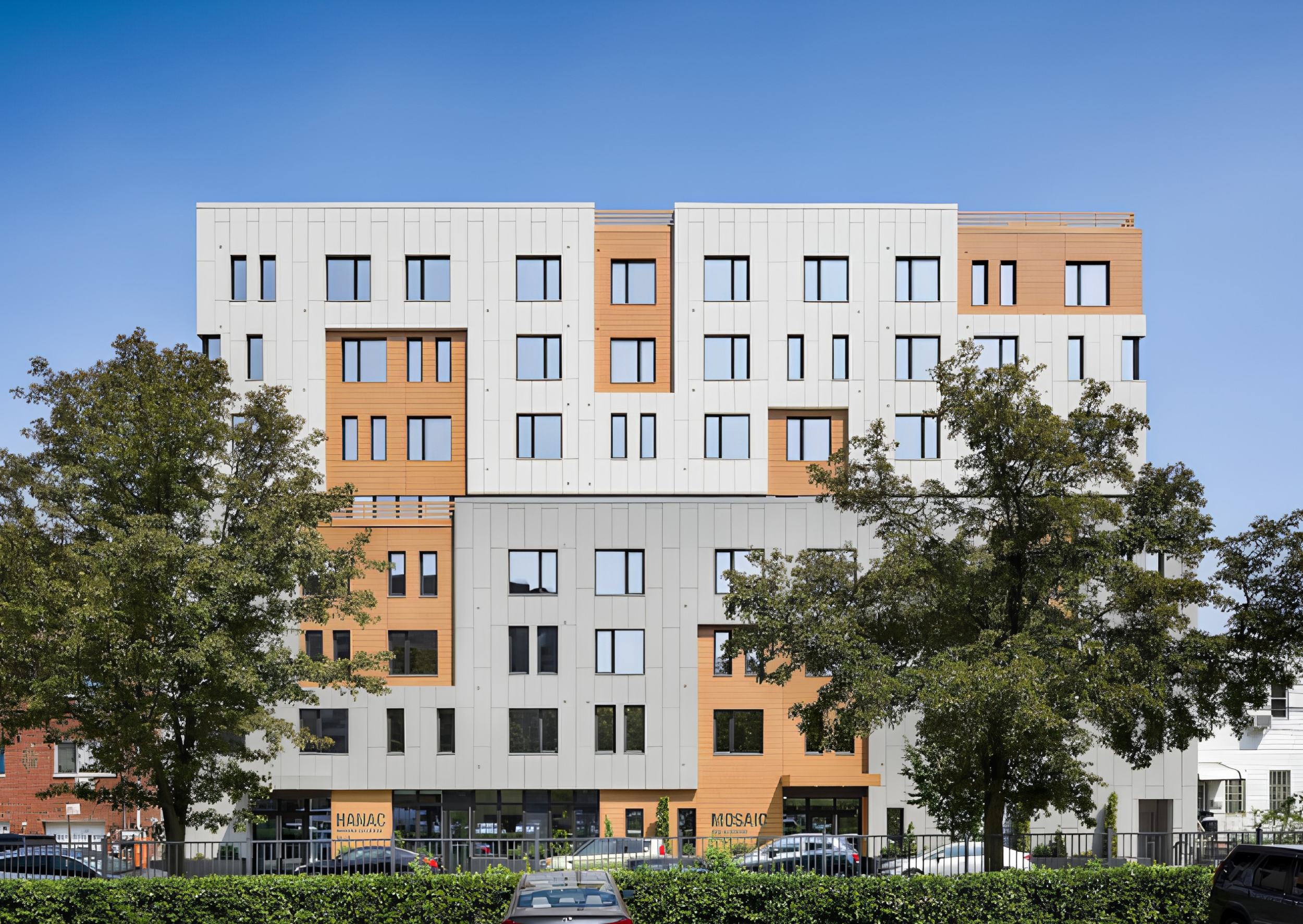
That becomes especially important for high-rise buildings, exposed sites, and projects in hurricane-prone coastal regions, where wind-performance requirements can directly influence product selection and specification.
For project teams working under those conditions, tested cladding provides documented evidence of how a defined configuration responds under controlled pressure loading, giving the team useful performance information to support specification decisions.
Why wind-tested aluminum cladding matters
Wind acts both inward and outward on exterior building surfaces, and the resulting pressures vary with factors such as building height, shape, terrain, surrounding structures, and wind direction. ASTM E330/E330M provides a controlled method for evaluating structural performance under uniform static air pressure intended to represent wind effects on exterior building elements.
For the cladding system, that translates into practical questions:
- Does the tested configuration maintain its intended structural performance under the applied pressure?
- How does it respond to positive and negative loading?
- Where repeated loading is relevant, does the system maintain its performance through multiple pressure cycles?
- Is there documented performance to support the system being considered for a project where wind loads are significant?
Testing helps answer those questions under controlled conditions and supports the broader process of specifying aluminum cladding for code compliance.

Review Wind-Performance Documentation
aPlank can provide applicable testing and approval information to support project-specific wind-performance review.
Connect with our team →What ASTM E330, TAS 202 and TAS 203 tell the team
The standards address different aspects of wind performance.
ASTM E330/E330M evaluates structural performance under uniform static air pressure intended to represent wind effects on exterior building elements. The standard also makes clear that the results apply to the specified test specimen and tested conditions.
| Test | What it contributes to the review |
|---|---|
| ASTM E330/E330M | Structural performance under uniform static air pressure for the specified test specimen and tested conditions. |
| TAS 202 | Uniform static air-pressure performance within the applicable Florida testing protocol. |
| TAS 203 | Performance under repeated cyclic wind-pressure loading. |
Sources: ASTM International.
TAS 202 addresses uniform static air-pressure performance, while TAS 203 evaluates the system under repeated cyclic pressure loading. Together, they provide different evidence of how a tested configuration responds to the pressure conditions that can become critical in high-wind applications.
The distinction between static and cyclic testing is relevant because wind events can involve both peak pressures and repeated changes in pressure over time. Reviewing both types of performance can give the project team a more complete picture of how a tested configuration responds under demanding wind conditions.
“Wind-tested cladding gives the project team documented evidence of how a defined system responds under controlled pressure loading.”
— Wind-performance specification takeawayHow tested wind performance translates into specification
When ASTM E330, TAS 202, or TAS 203 testing is part of the project criteria, the important question is how the tested configuration relates to the proposed application.
That includes understanding what system was tested, which loading conditions were evaluated, whether positive and negative pressures were considered, and how the resulting performance information compares with the project's required design pressures.
Identify the tested system
Confirm which specific cladding configuration was evaluated under ASTM E330, TAS 202, or TAS 203.
Review the loading conditions
Check whether both positive and negative pressures were applied during testing, and under what magnitude.
Compare against project design pressures
Match the tested configuration's documented performance against the project's required design pressures.
Confirm jurisdictional requirements
Verify whether a specific approval, such as Miami-Dade Product Control, applies to the project.

Wind-performance data should be reviewed in relation to the tested panel configuration and the conditions represented by the test.
Why aPlank is relevant when wind performance matters
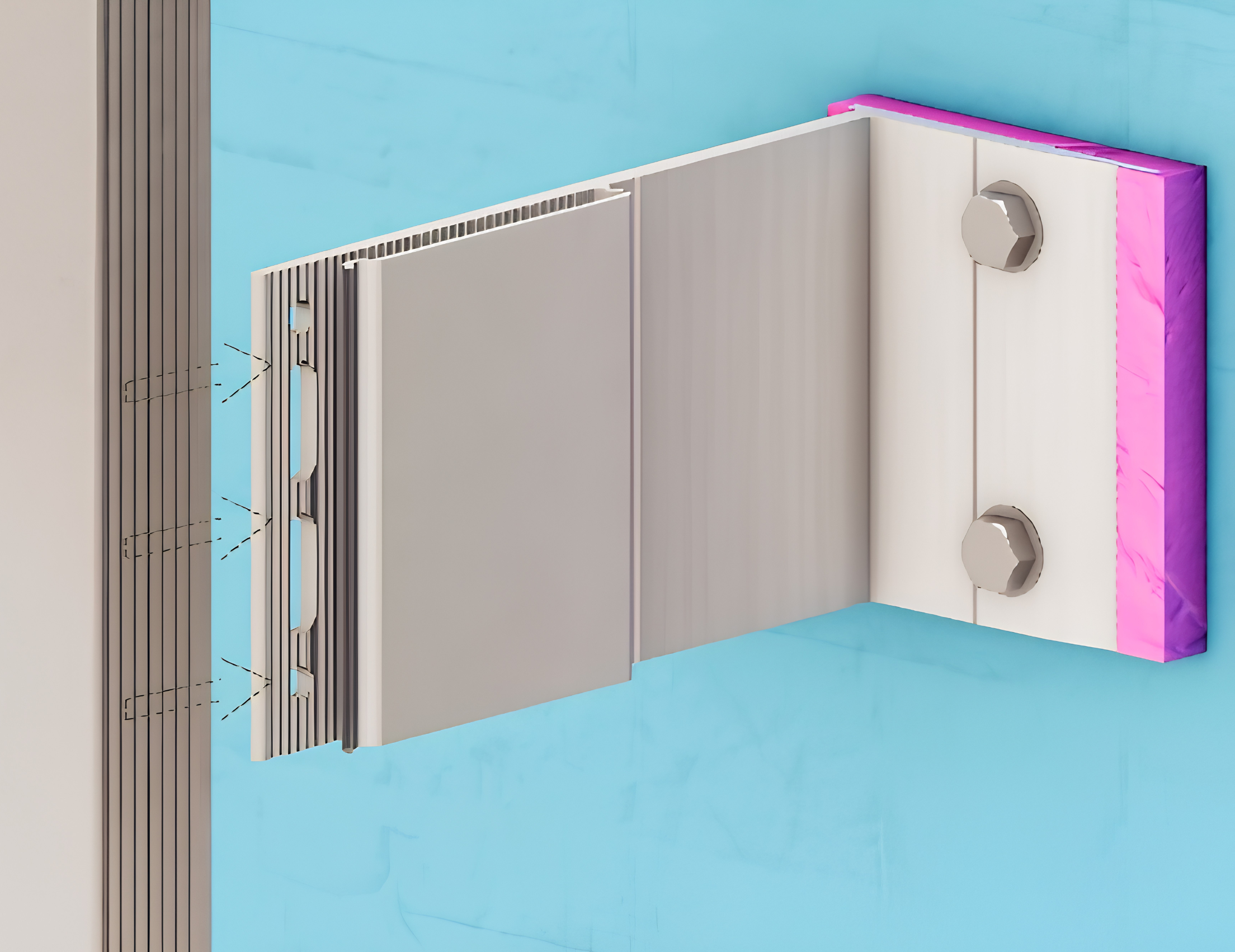
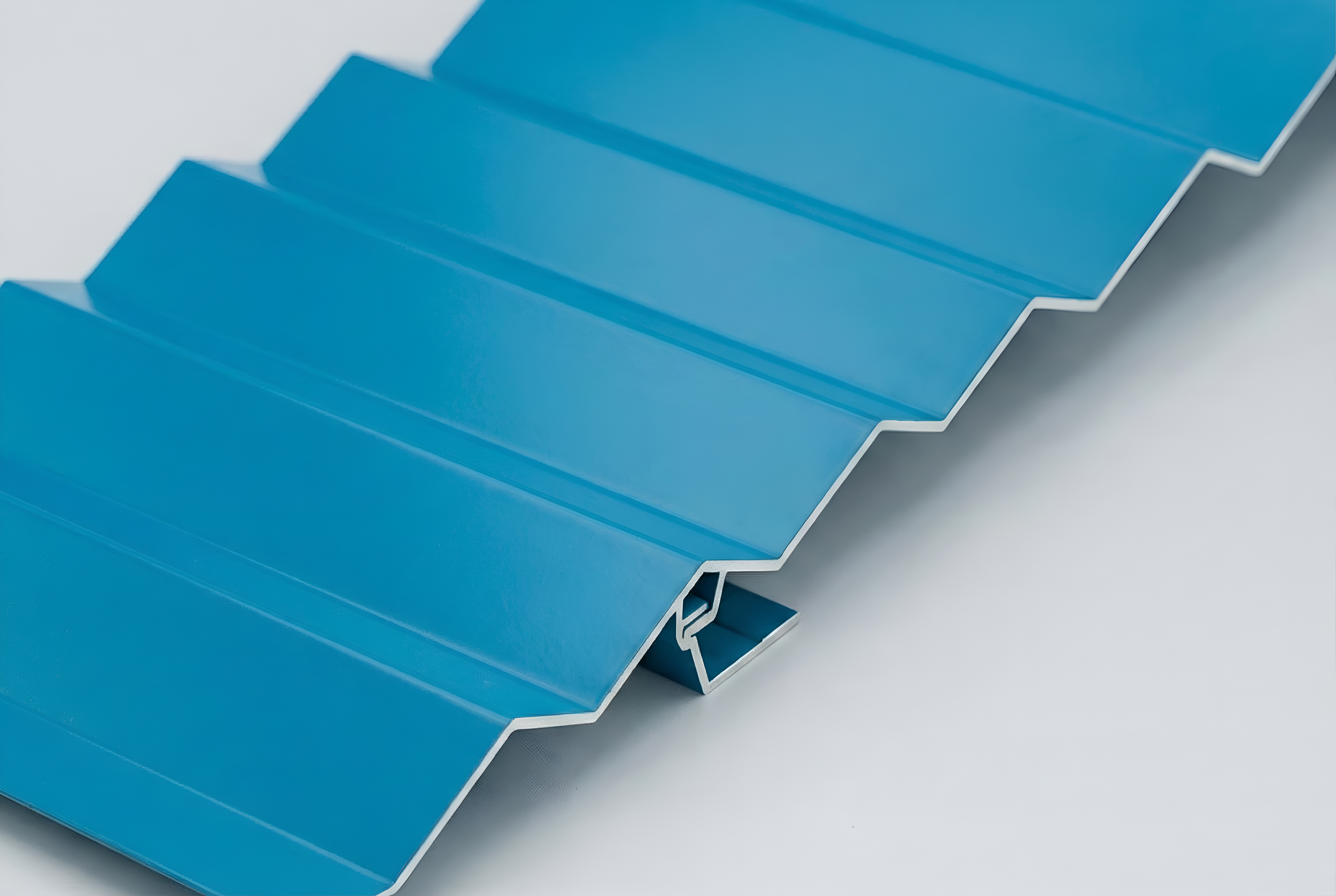
aPlank aluminum cladding has been evaluated under ASTM E330, TAS 202, and TAS 203, providing documented static and cyclic wind-performance information for applicable tested configurations.
For teams evaluating aPlank aluminum cladding panels, this means the specification process can begin with documented performance information that can be reviewed against the project's requirements.
Where jurisdiction-specific approval also applies, aPlank has a defined Miami-Dade Product Control approval supported by applicable wind-performance testing. That approval applies to a specific tested configuration and can serve as an additional reference point for projects where that type of approval is relevant.
Start with tested performance
When ASTM E330, TAS 202, or TAS 203 performance is required, aPlank offers a tested cladding option backed by documented evidence of how a defined system has performed under controlled wind-pressure loading and can be brought directly into the project review.
Aluminum cladding wind testing: Common questions
What should be checked when using ASTM E330 results for an aluminum cladding specification?
Review the tested specimen and configuration, the pressure conditions applied, and the resulting performance information against the proposed project requirements. ASTM E330 data is specific to the tested specimen and should be evaluated in that context.
How do TAS 202 and TAS 203 differ for wind-performance review?
TAS 202 addresses uniform static air-pressure performance, while TAS 203 evaluates repeated cyclic wind-pressure loading. The applicable project and jurisdictional requirements determine which documentation should be reviewed.
Does wind-tested cladding automatically meet a project's required design pressure?
No. Wind-test documentation provides performance information for defined tested conditions. The project team still needs to compare the applicable tested or approved configuration with the project's required design pressures and other jurisdictional criteria.
Can aPlank provide ASTM E330, TAS 202 and TAS 203 documentation for project review?
Yes. aPlank can provide applicable wind-testing and approval documentation for review during specification. Contact the aPlank team for the detailed results and configuration-specific information relevant to the project.