ASTM E136 for Aluminum Cladding: Interpreting Noncombustibility
 Codes, Safety & Compliance

ASTM E136 is frequently listed beside ASTM E84 and NFPA 285 in facade specifications and submittals, but the three standards do not answer the same question. For a project team, the useful issue is not simply whether aluminum is noncombustible. It is whether the submitted evidence establishes that classification for the proposed product and how the result affects the exterior-wall compliance path.
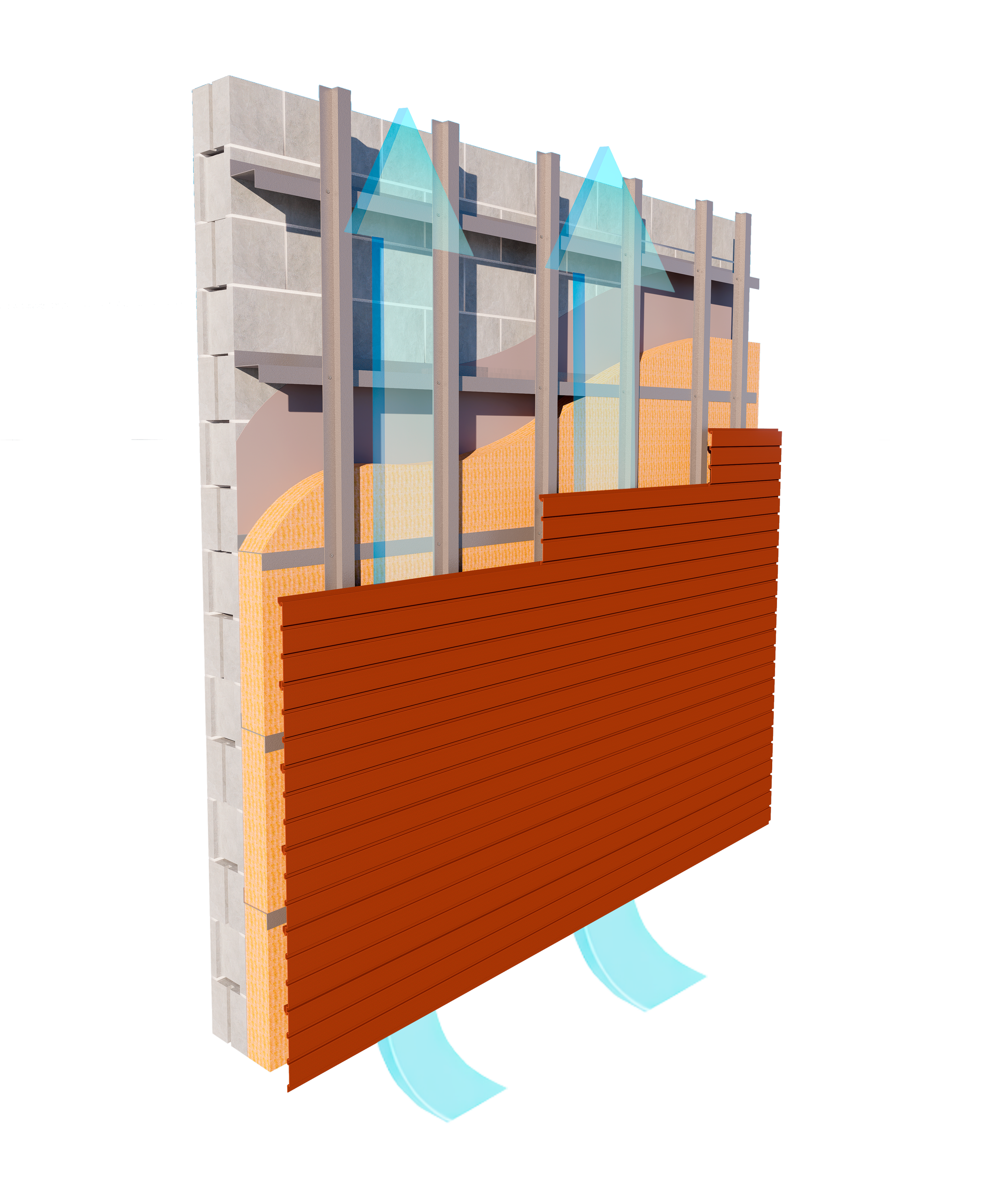
That distinction is important when evaluating aluminum cladding code compliance. ASTM E136 can establish a material-level noncombustibility classification, but it does not approve the complete rainscreen assembly, establish a fire-resistance rating, or replace the review required when other wall components are combustible. aPlank supports that review with solid extruded aluminum cladding products and applicable fire-performance documentation.
What ASTM E136 Establishes
ASTM International describes ASTM E136 as a fire-test-response method used to assess the combustibility of building materials under specified laboratory conditions. The test uses a vertical-tube furnace operating at 750°C, or 1,382°F, and evaluates the tested material against defined acceptance criteria. Materials that meet those criteria are typically classified as noncombustible.
In facade specifications, that classification can be important where the adopted building code requires noncombustible materials or where the construction type and exterior-wall provisions make the cladding substrate part of the compliance review.
The classification should nevertheless be stated precisely. Noncombustible does not mean fireproof. It does not establish that a product will retain structural capacity during a fire, give a wall an hourly fire-resistance rating, or prevent fire propagation through the complete exterior-wall assembly. Those conclusions require different evidence.
For aPlank projects, the ASTM E136 documentation establishes a defined material-level input that can be coordinated with the selected profile, finish, and complete wall design.

Evaluate aPlank for Your Exterior Wall Specification
Review aPlank panel profiles, finishes, and available fire-performance documentation against your project requirements.
Contact aPlank →Evaluating the ASTM E136 Test Documentation
For an active project, an ASTM E136 report should be reviewed for more than a pass-or-fail statement. The project team should confirm:
- The manufacturer and product represented.
- The material and product configuration tested.
- The test-standard edition and testing laboratory.
- The reported result and any qualifications.
- Whether coatings, laminations, backing materials, or other product layers fall within the report’s scope.
The last point deserves particular attention for prefinished cladding. ASTM’s published scope identifies limitations concerning laminated or coated materials. That does not make a finished aluminum system unsuitable; it means the product configuration and the report’s stated scope must be reviewed before assuming that the classification extends to every added layer.
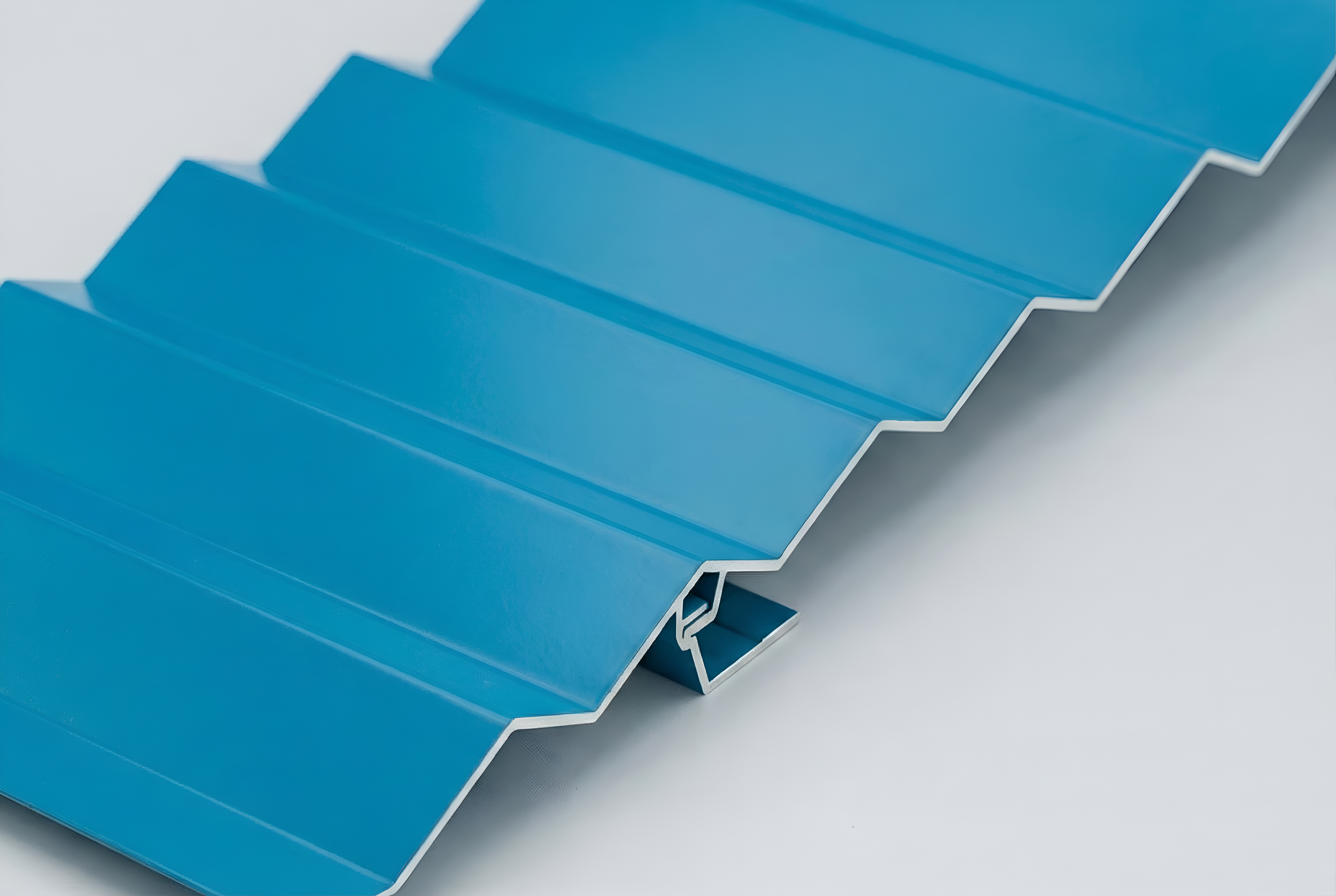
For aPlank projects, the documentation should be coordinated with the selected profile and finish. aPlank extruded aluminum cladding panels use a solid aluminum substrate, with ASTM E136 documentation available to support the fire-performance review. The applicable report should still be evaluated against the product configuration and finish proposed for the project.
ASTM E136 resolves a material-classification question. It does not resolve every fire-performance question within the exterior wall.
Specification review principleWhere E136 Fits in the IBC Review
The International Building Code provisions for noncombustible materials recognize ASTM E136 as a test method for materials required to be noncombustible. The applicable requirement, however, depends on the adopted code edition, local amendments, construction type, wall configuration, and specific code section being applied.
This is why identifying a building as Type I or Type II construction should not end the analysis. The design team and code consultant must still determine which exterior-wall provisions apply and whether exceptions, alternative criteria, or assembly-level tests are relevant.
E136 documentation is most useful as one resolved input in the code matrix: it establishes the material classification of the tested product so the team can focus on the remaining components and compliance triggers.
What ASTM E136 Does Not Replace
ASTM E136 should not be used as shorthand for complete fire compliance.
ASTM E136
- Evaluates whether a building material meets defined noncombustibility criteria
- Applies to the tested material or product configuration
- Supports material-level code review
- Does not establish complete wall-assembly performance
ASTM E84
- Reports flame-spread and smoke-developed indices
- Evaluates surface-burning characteristics
- Supports product classification and submittal review
- Does not evaluate multistory fire propagation
NFPA 285
- Evaluates a multistory exterior-wall assembly
- Addresses vertical and lateral fire propagation
- Depends on the tested combination of wall components
- Cannot be replaced by material-level classifications
These forms of evidence are related, but they are not interchangeable. A noncombustible aluminum panel may remove one combustible material from the wall, while insulation, air and water barriers, membranes, attachments, and other layers can still determine whether NFPA 285 assembly-level documentation or another compliance path is required.
The ASTM E136 result therefore describes the tested material. It does not describe every interface around it or establish the fire performance of the completed facade.

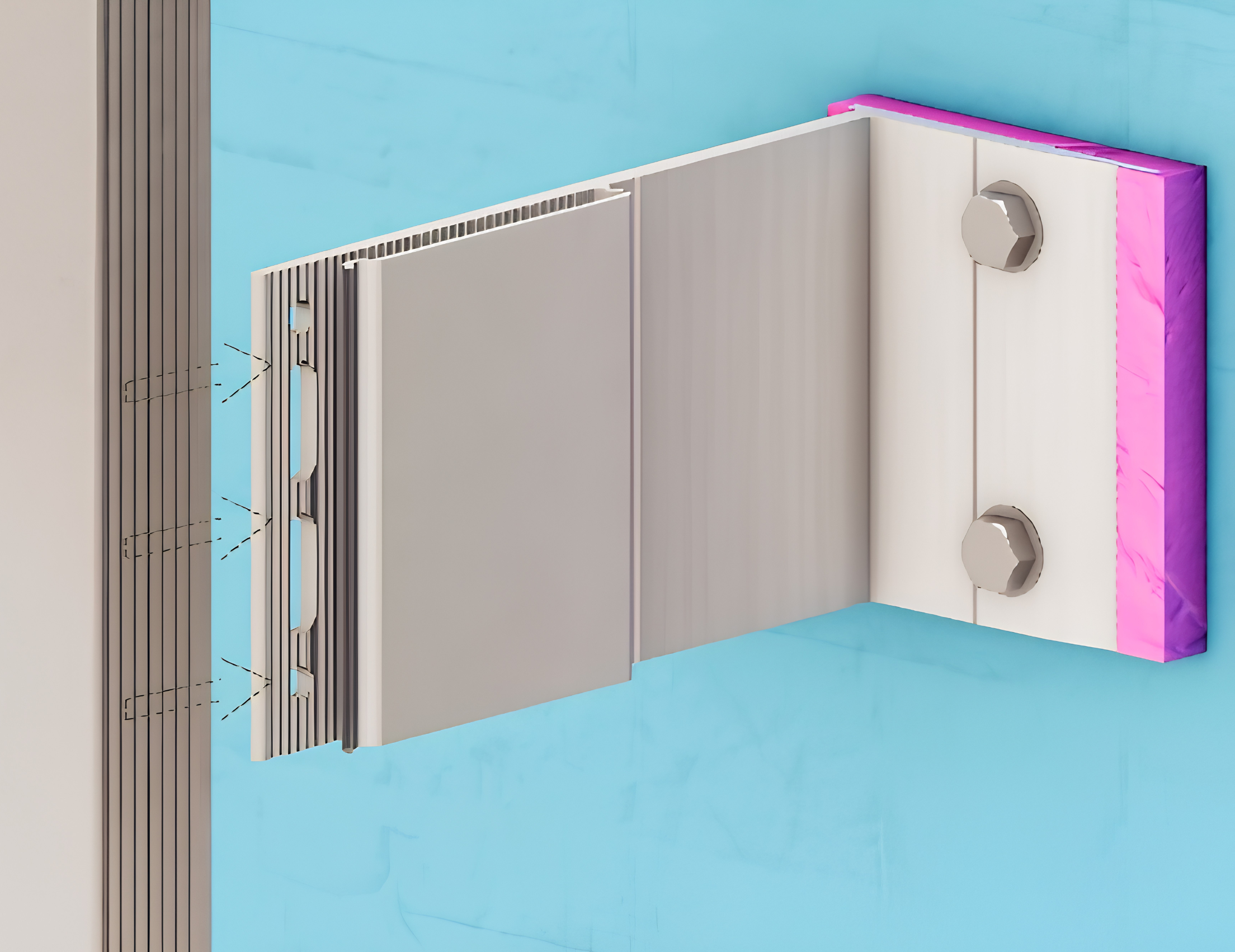
Cladding classification must be coordinated with insulation, barriers, attachments, substrates, and the project-specific wall assembly.
How the Classification Affects Product Selection
At the specification stage, a verified noncombustible cladding substrate can reduce uncertainty when the exterior wall is being coordinated for Type I or Type II construction. It can also help the design team separate questions related to the cladding material from those associated with insulation, barriers, and other concealed components.
It should not, however, be presented as an automatic exemption from assembly-level review. The project-specific benefit is that one variable has credible documentation, allowing the remaining fire-performance requirements to be evaluated more directly.
Three Questions to Ask During Submittal Review
- Does the report represent the exact product or material being specified?
- Does its scope account for the product configuration and finish being proposed?
- What separate documentation is still required for surface burning, assembly fire propagation, structural performance, and attachments?
This approach keeps ASTM E136 in its proper role: a meaningful material classification rather than a substitute for coordinated facade compliance.
Use ASTM E136 as One Part of the Compliance Record
aPlank supports that review with noncombustible extruded aluminum panels, system information, and applicable fire-performance documentation that can be evaluated alongside the project’s insulation, air barrier, substrate, and attachment design. Reviewing those records before the specification is finalized gives architects, facade consultants, and contractors a clearer basis for submittals and code review.
ASTM E136 for Aluminum Cladding: Common Questions
Does ASTM E136 approve a complete exterior wall assembly?
No. ASTM E136 addresses the combustibility of the tested material under defined laboratory conditions. It does not approve the complete wall assembly, establish an hourly fire-resistance rating, or replace assembly-level review when NFPA 285 or another compliance path applies.
How is ASTM E136 different from ASTM E84?
ASTM E136 is used to assess whether a material meets noncombustibility criteria. ASTM E84 measures surface-burning characteristics, including flame-spread and smoke-developed indices. The two results describe different aspects of fire performance and should not be used interchangeably.
Does noncombustible aluminum cladding eliminate the need for NFPA 285?
Not automatically. A noncombustible cladding material resolves one part of the wall review, but insulation, air and water barriers, membranes, and other combustible components may still trigger NFPA 285 requirements under the adopted code.
What should be checked in an ASTM E136 report?
Confirm the manufacturer and product represented, the product configuration tested, the standard edition, the testing laboratory, the reported result, and any limitations concerning coatings, laminations, backing materials, or other layers.