PVDF vs. Polyester Coatings for Aluminum Facades
 Finish & Coating Standards

For exterior aluminum facades, PVDF and polyester coatings are often compared on durability, but the specification decision is more specific than choosing the coating that simply offers the highest performance. Exposure, color-retention expectations, service life, and the documented performance of the proposed finish all influence which system is appropriate.
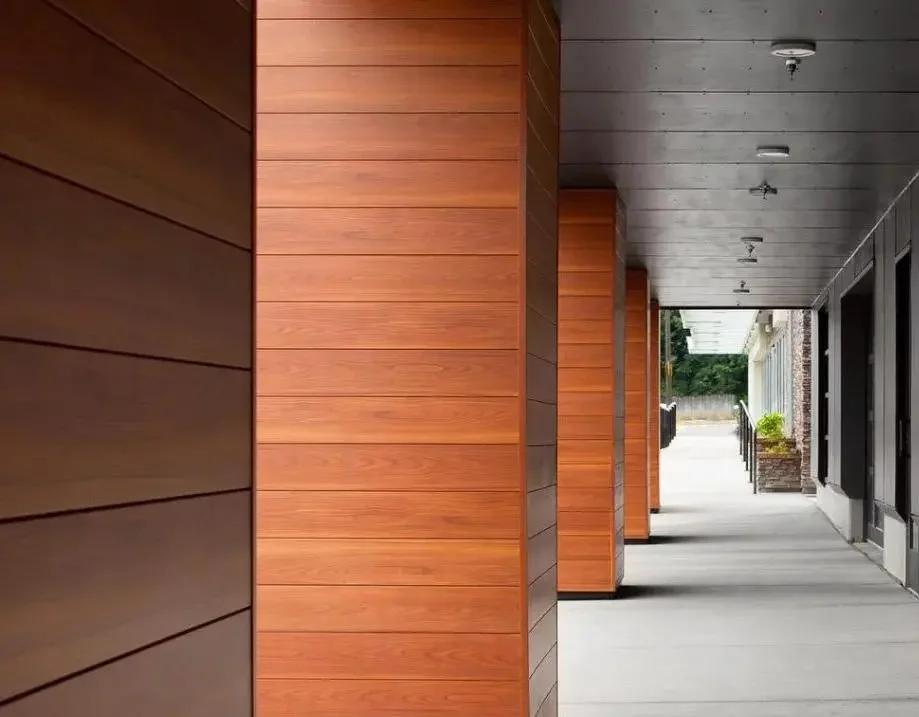
That decision fits within the broader requirements for aluminum cladding coating standards and finish durability. For extruded aluminum facade panels, finish requirements should be coordinated with profile, color, location, and exposure rather than treated only as an aesthetic selection. aPlank supports that coordination across panel profiles and architectural finish options.
The useful comparison is therefore not whether PVDF or polyester is universally better, but how their weathering characteristics differ, where those differences matter, and what the project team should verify before approving the finish.
PVDF vs. Polyester: The Performance Difference
PVDF and long-term exterior weathering
PVDF, or polyvinylidene fluoride, is a fluoropolymer resin widely used in architectural coatings where long-term exterior weatherability is a priority. Its principal advantages for facade applications are resistance to UV-driven degradation and strong retention of color, gloss, and surface appearance over prolonged exposure.
Those characteristics make PVDF particularly relevant on highly exposed elevations, projects with demanding color requirements, and facade conditions where future finish change or mismatched replacement panels would be especially noticeable. For aPlank panels, that distinction becomes part of matching the finish requirement to the exposure and visual expectations of the facade.
Polyester performance varies by formulation
Polyester is also a legitimate exterior architectural coating chemistry, but polyester systems are available with different levels of weathering performance. Conventional exterior polyester formulations provide color and finish protection for less demanding conditions, while higher-durability formulations, often described in the coatings industry as super-durable polyesters, are engineered for improved resistance to UV exposure and better long-term color and gloss retention.
A polyester finish intended for a lower-demand application should not be considered equivalent to a higher-performance architectural polyester simply because both share the same resin family. For project review, the useful question is what exterior weathering performance the specific polyester system has demonstrated and what performance requirement it is documented to meet.
PVDF
- Strong long-term exterior weathering profile
- High priority on color, gloss, and chalk resistance
- Common choice for highly exposed, color-sensitive facade conditions
Polyester
- Available in conventional and higher-durability formulations
- Exterior suitability depends on the documented coating system
- Can serve less demanding and selected exterior conditions

Coordinate the Finish Before the Submittal Stage
For project-specific coating requirements, finish options, or sample coordination, aPlank can help align the selected appearance with the performance expected for the facade condition.
Contact our team →Where Each Coating Makes Sense on a Facade
Demanding exposure and appearance retention
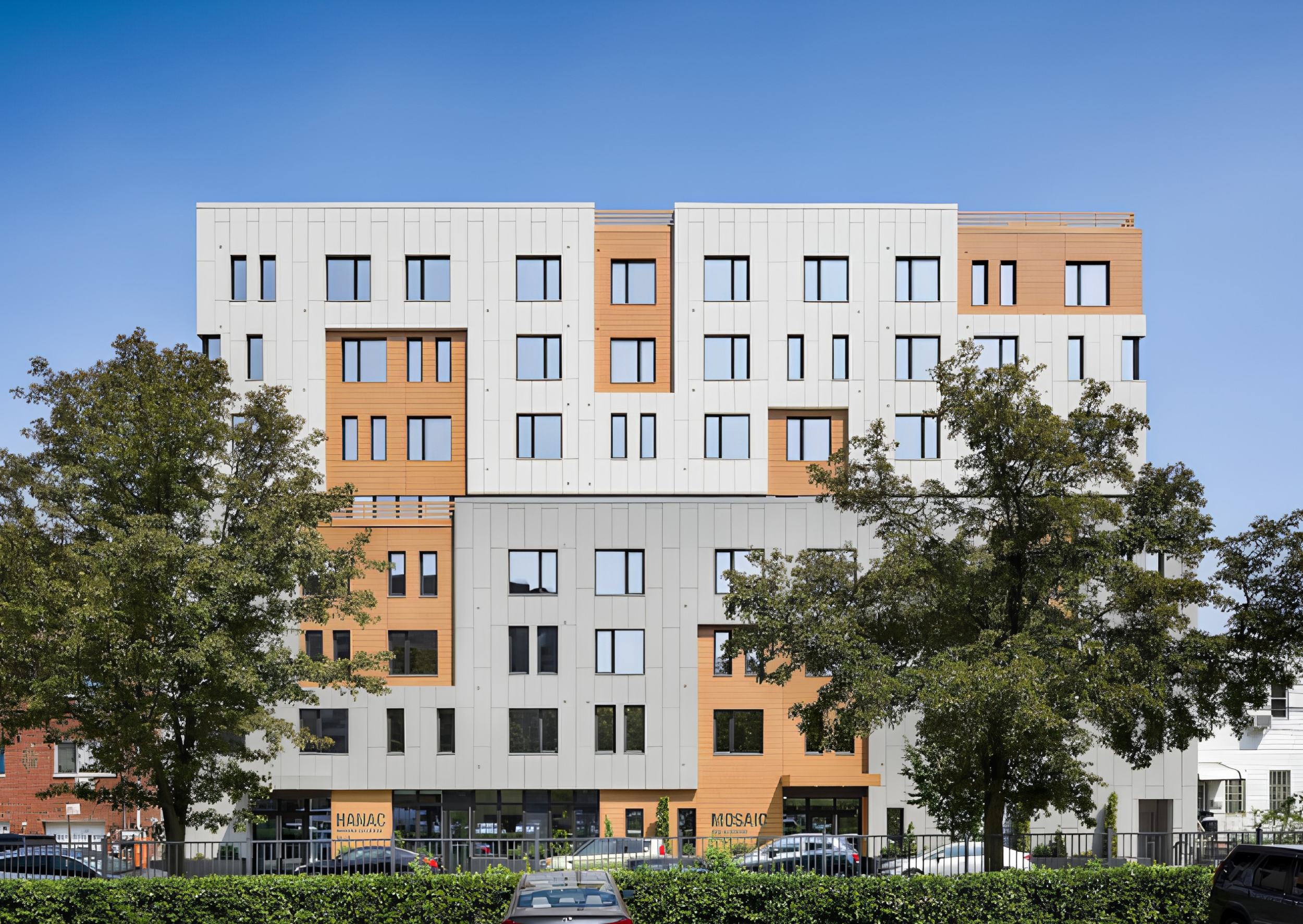
PVDF is often the stronger candidate where the facade must withstand prolonged solar exposure while maintaining color, gloss, and overall appearance for an extended service period. Highly visible primary elevations, saturated or difficult colors, coastal conditions, and locations where future panel replacement would be disruptive can justify a more demanding finish requirement.
This does not mean every exterior surface automatically requires the same coating. The finish should respond to the actual exposure and visual expectations of the condition being specified.

Exposure, visibility, color sensitivity, and replacement access all influence how much finish performance a facade condition requires.
Where polyester can be appropriate
Higher-durability polyester systems can be appropriate for exterior architectural applications when their documented weathering performance satisfies the project's requirements. Conditions with lower exposure, recessed facade areas, protected soffits, or interior applications may not require the same weathering resistance as a primary exterior elevation.
Cost can also be part of that decision. Higher-performance coating systems may carry a greater initial premium, but that added performance can be justified where prolonged exposure, strict color retention, or difficult future replacement makes finish durability particularly important. In less demanding conditions, specifying the highest weathering tier by default may provide limited additional value.
The objective is not to classify polyester as the lower-cost option and PVDF as the premium option in every case. It is to match coating performance, exposure, lifecycle expectations, and project value rather than over- or under-specifying the finish.
“The strongest finish specification matches coating performance to the exposure and lifecycle expectations of the actual facade condition.”
— Finish specification principleHow AAMA Performance Fits Into the PVDF vs. Polyester Comparison
Resin chemistry is not the performance standard
PVDF and polyester describe coating chemistry. AAMA 2604 and AAMA 2605, by contrast, establish performance requirements and test procedures for organic coatings applied to architectural aluminum extrusions and panels.
The Fenestration and Glazing Industry Alliance's 2026 finish standards update identifies AAMA 2604-26 as the high-performance specification and AAMA 2605-26 as the superior-performing specification. The individual AAMA 2604-26 specification confirms that the standard addresses test procedures and performance requirements for the complete organic coating system on aluminum extrusions and panels.
PVDF is not another name for AAMA 2605, and polyester is not another name for AAMA 2604. The appropriate tier should be established through the project's AAMA 2605 vs. 2604 coating standard requirements rather than inferred from the resin name.
Start with exposure and required performance
For specification purposes, the sequence should remain straightforward: project exposure, required coating performance, proposed coating system, then supporting documentation. This makes the performance requirement the starting point and allows either PVDF or an appropriate polyester system to be evaluated against the actual conditions of the project.
| Specification term | What it establishes | What still needs verification |
|---|---|---|
| PVDF | Fluoropolymer resin chemistry | Complete coating system, AAMA requirement, color, warranty, and applicator documentation |
| Polyester | Polyester resin chemistry | Durability formulation, demonstrated weathering performance, AAMA requirement, and warranty |
| AAMA 2604 / 2605 | Performance requirements for architectural organic coatings | Exact product, pretreatment, approved color, applicator, and submittal compliance |
Performance framework: FGIA AAMA 2605-26 and FGIA AAMA 2604-26.
What to Verify Before Approving a PVDF or Polyester Finish
During specification
Before identifying a coating system, define what the finish needs to accomplish. Relevant criteria include exterior exposure, required AAMA classification, long-term color and gloss expectations, maintenance access, warranty requirements, and the importance of maintaining visual consistency across the facade.
For aPlank aluminum cladding, the selected finish can be coordinated with available aluminum cladding colors and finishes, including solid colors and other architectural appearances.
During submittal or substitution review
When a finish is submitted, reviewing only the words “PVDF” or “polyester” is not enough. Confirm:
- the exact coating product and resin system;
- applicable AAMA performance classification;
- aluminum pretreatment;
- approved color and gloss;
- applicable weathering documentation;
- applicator information;
- warranty scope and exclusions; and
- whether the proposed system corresponds to the performance required by the specification.
Relevant aPlank technical documentation can be reviewed alongside finish samples and project-specific requirements during that coordination.
Match the Coating to the Exposure
PVDF and polyester can both serve architectural aluminum applications, but they should not be selected from the resin name alone. PVDF is particularly suited to demanding exterior conditions where long-term weathering and appearance retention are priorities, while polyester systems can address a broader range of performance needs depending on formulation and documented durability.
For facade teams, the stronger approach is to establish the required performance from the project's exposure, appearance expectations, lifecycle, and value considerations, then verify that the selected coating system can document that performance. aPlank can support finish selection, sample coordination, and project-specific coating documentation for aluminum panels and battens.
PVDF vs. Polyester Coatings: Common Questions
Is PVDF the same as AAMA 2605?
No. PVDF identifies a resin chemistry, while AAMA 2605 establishes performance requirements and test procedures for the complete organic coating system applied to architectural aluminum.
Is polyester appropriate for exterior aluminum facades?
Yes, depending on the system. Polyester coatings are available at different durability levels, including higher-performance formulations intended for exterior architectural exposure. Suitability should be evaluated against the project's weathering and appearance-retention requirements.
Are all polyester architectural coatings equally durable?
No. Conventional and higher-durability polyester formulations can provide different levels of resistance to exterior weathering, UV exposure, color change, and gloss loss.
What should be reviewed when comparing PVDF and polyester submittals?
Confirm the exact coating system, required AAMA classification, pretreatment, color and gloss, weathering documentation, applicator requirements, and warranty before determining whether the proposed finish meets the specification.