
Blog
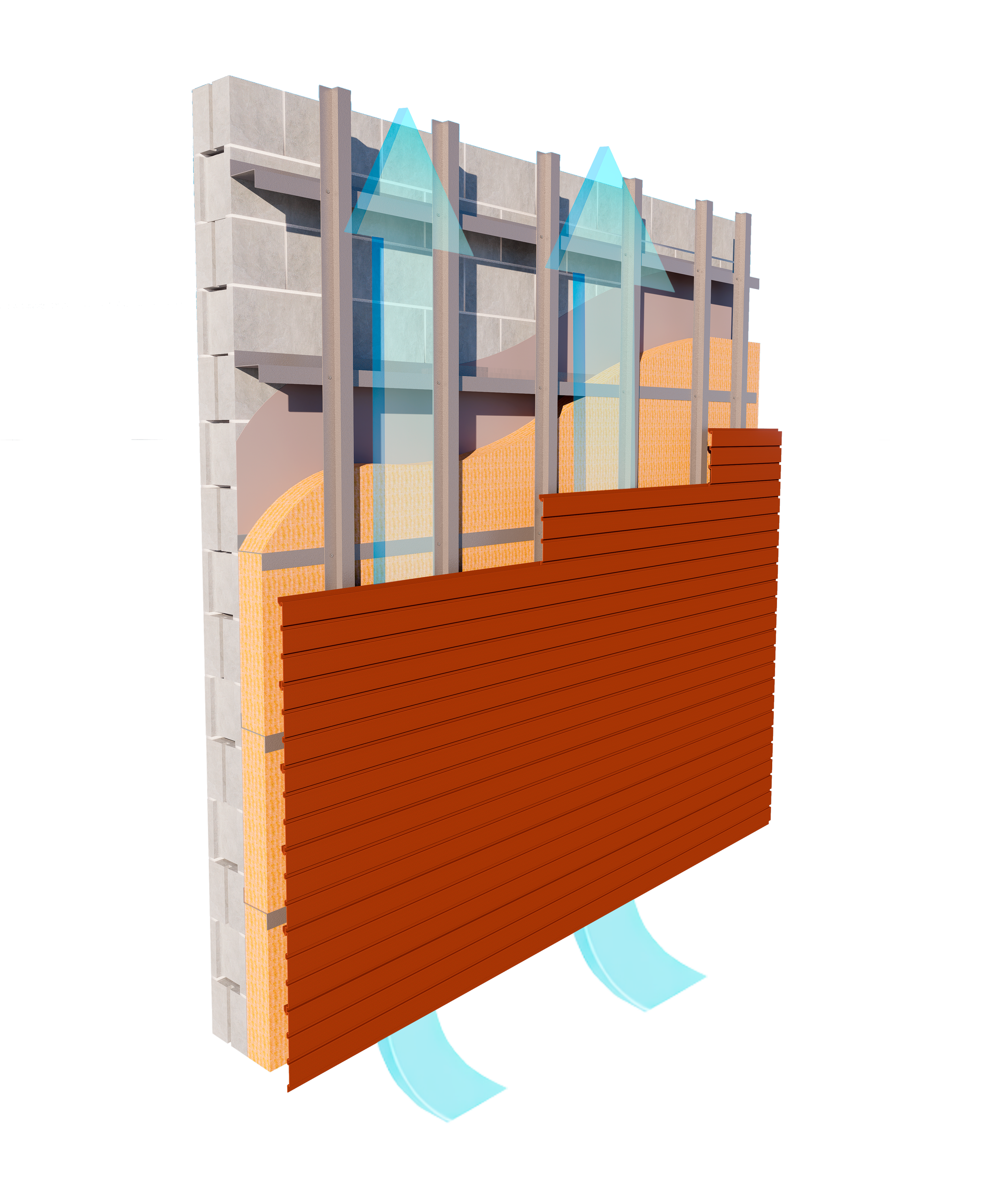
Designing Ventilated Rainscreen Cavities for Continuous Drainage and Ventilation
A practical look at designing ventilated rainscreen cavities for continuous drainage, airflow and reliable facade detailing.
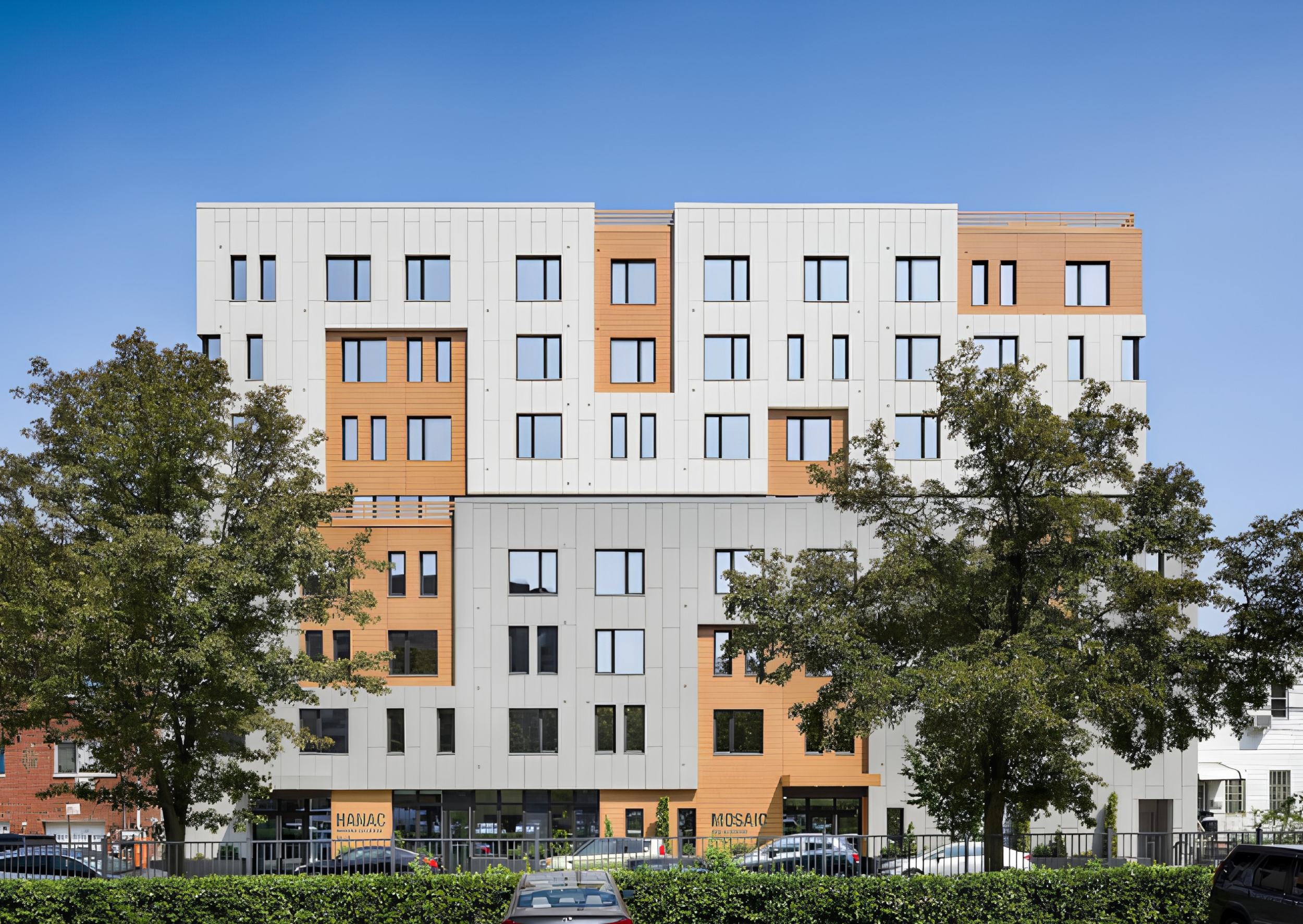
Aluminum Cladding for Wind-Performance Requirements
See how wind-tested aPlank aluminum cladding supports project requirements through ASTM E330, TAS 202 and TAS 203 performance documentation.
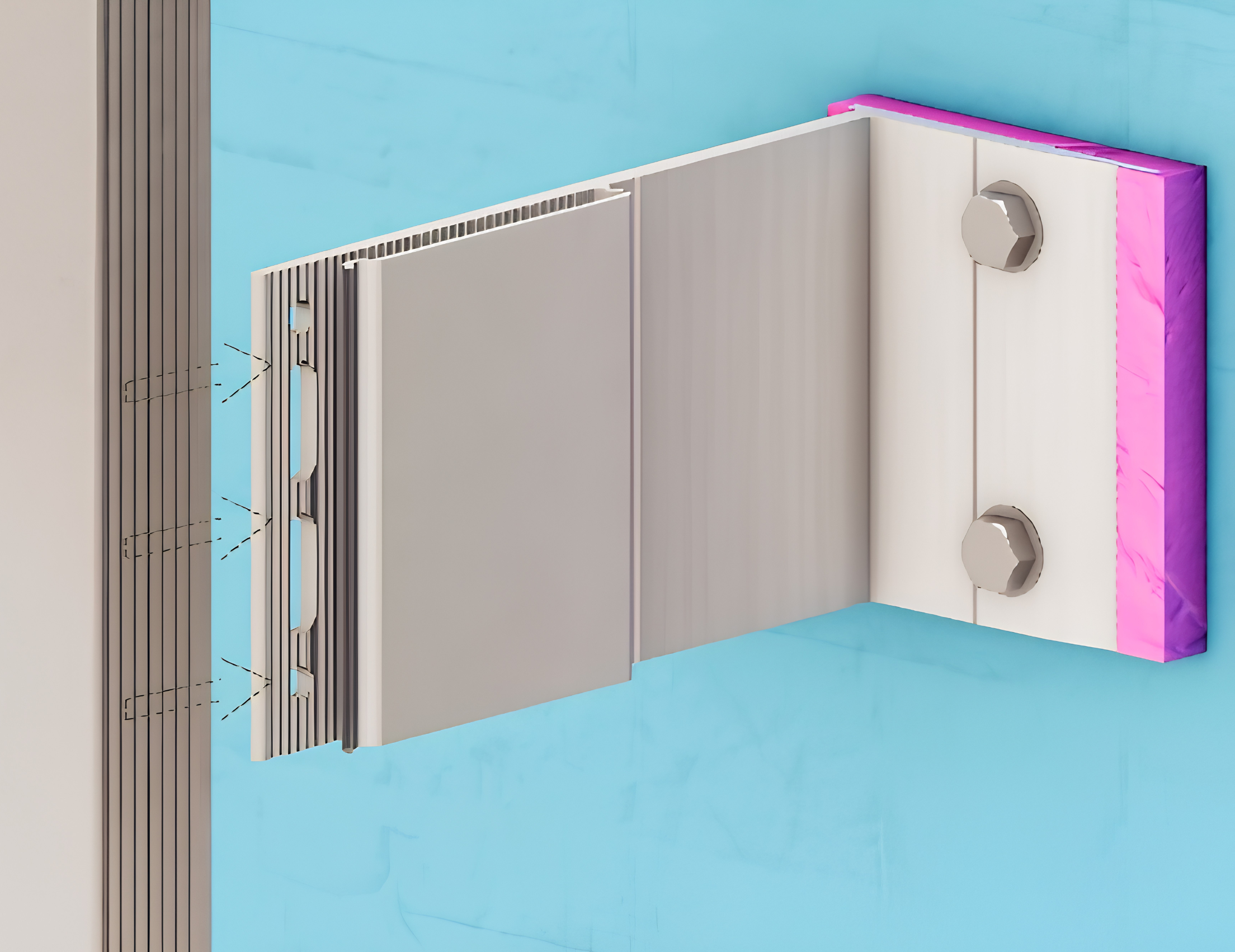
Facade R-Values and U-Factors: What Aluminum Subframing Changes
Explore how aluminum subframing influences whole-wall thermal performance, from insulation requirements and bracket geometry to attachment spacing and assembly U-factors.
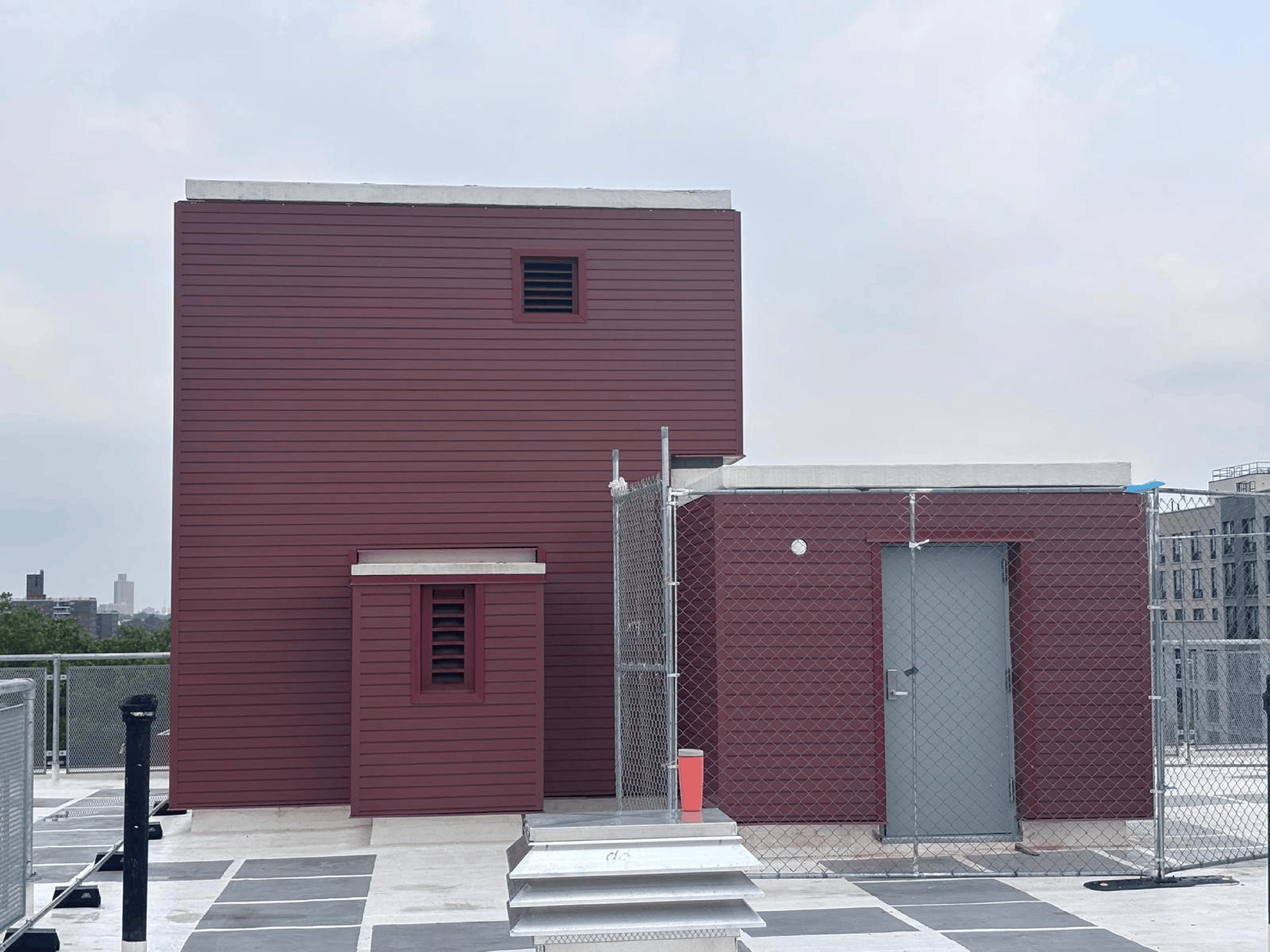
Specifying Aluminum Cladding for IBC-Compliant Exterior Walls
aPlank extruded aluminum panels support IBC-compliant exterior wall strategies with noncombustible material performance, tested structural capabilities, and coordinated subframing for commercial facade applications.

Thermal Bridging in Facades: How Thermally Broken Subframing Reduces Heat Loss
See how subframing design affects whole-wall thermal performance and how aFrame helps reduce thermal bridging through an engineered attachment approach.
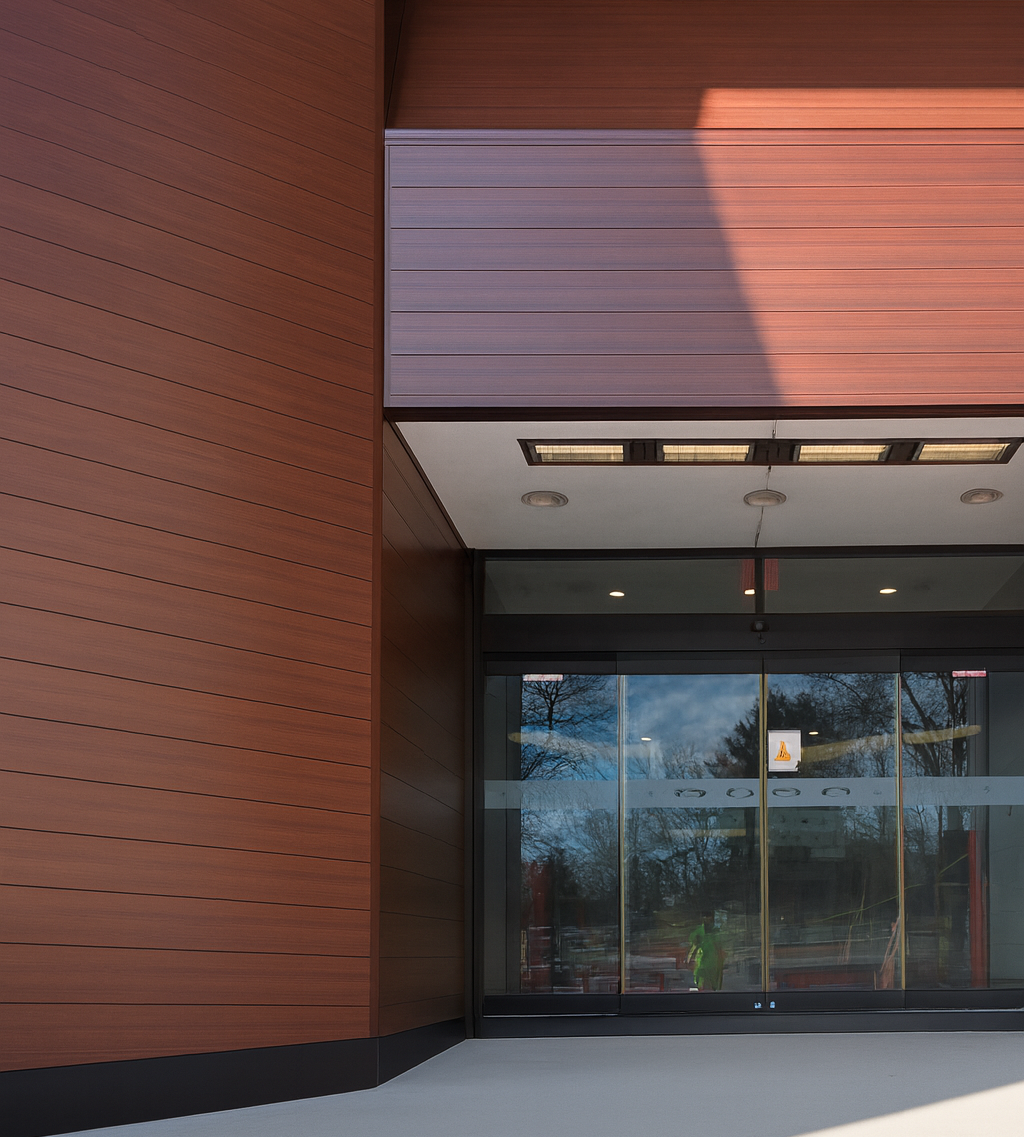
Energy-Efficient Aluminum Facade Systems: Whole-Wall Thermal Performance and Carbon
How aluminum facade assemblies support whole-wall thermal performance and lower-carbon project objectives when the cladding, subframing, insulation, and documentation are coordinated as one system.

Aluminum Cladding Code Compliance: Fire, Wind & Performance Standards
A practical overview of the code requirements governing commercial aluminum cladding assemblies, from ASTM E84 and NFPA 285 to ASTM E330 and Miami-Dade NOA, with guidance on the system-level documentation needed for specification and submittal.

Rainscreen Facade Systems for Commercial Buildings: Engineering, Performance & Specification
High-performing rainscreen facades rely on more than cladding selection. Cavity design, thermally broken subframing, and compliance documentation each determine whether the assembly performs or fails inspection. This technical overview covers every layer of a commercial rainscreen system.